

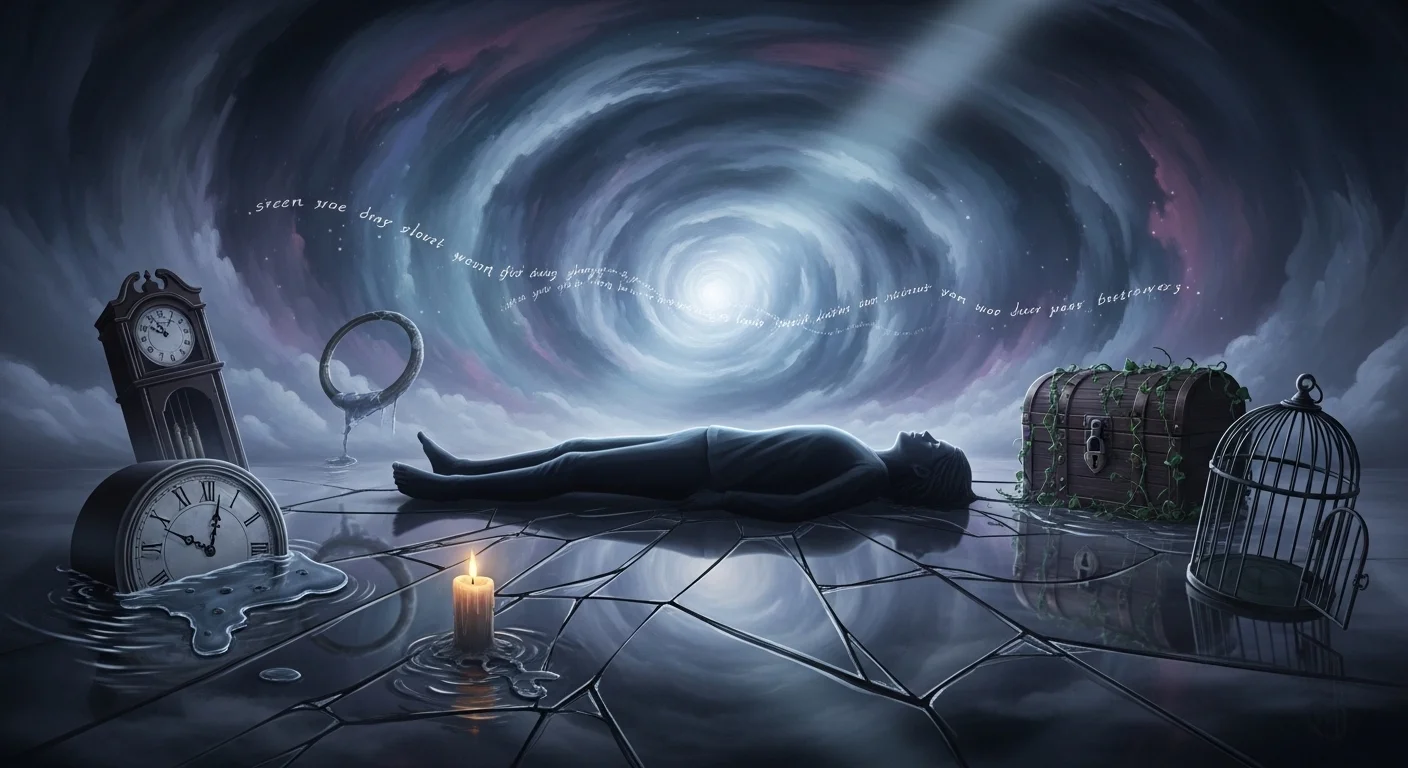
What Does “Unconscious” Mean?
The unconscious meaning generally refers to a lack of awareness or consciousness. This can happen physically, mentally, or psychologically.
Basic Definition
Unconscious:
A state in which a person is not awake, not aware of their surroundings, or not able to respond to external stimuli.
In everyday language, people often say someone is unconscious when they have:
Fainted
Been knocked out
Fallen into a deep sleep due to injury or illness
However, the term can also describe mental processes that occur without conscious awareness.
Different Meanings of “Unconscious” Based on Context
The meaning of the word can change depending on how it is used.
1. Medical Meaning
In medicine, unconscious refers to a condition where a person is not awake and cannot respond to stimuli such as voice, touch, or pain.
Common causes include:
Head injuries
Lack of oxygen
Severe illness
Fainting
Anesthesia during surgery
In this context, being unconscious usually requires immediate medical attention.
2. Psychological Meaning
In psychology, the term refers to the unconscious mind, which contains thoughts, memories, and emotions that people are not aware of.
Psychologists believe the unconscious mind influences:
Behavior
Feelings
Decision-making
Habits
Many reactions and instincts happen automatically because of these unconscious mental processes.
3. Everyday Language Meaning
In casual conversation, people sometimes use unconscious to describe actions done without thinking.
Example:
“I made an unconscious decision to grab my phone.”
In this case, it means the action happened automatically or without deliberate thought.
The Unconscious Mind in Psychology
One of the most famous uses of the term comes from psychology.
The unconscious mind refers to the part of the mind that holds:
Hidden memories
Deep emotions
Automatic behaviors
Instinctive reactions
These mental processes operate outside our conscious awareness.
Why the Unconscious Mind Matters
Psychologists believe the unconscious mind can influence:
Dreams
Emotional reactions
Fears and anxieties
Habits and routines
For example, someone might feel uncomfortable in a situation without knowing why. Sometimes this reaction comes from unconscious memories or experiences.
Real-Life Examples of “Unconscious”
Seeing how the word appears in everyday language makes the unconscious meaning easier to understand.
Example 1: Medical Situation
“The boxer was knocked unconscious during the match.”
Explanation:
The person lost consciousness and became temporarily unresponsive.
Example 2: Fainting
“She felt dizzy and suddenly became unconscious.”
Explanation:
The person fainted and briefly lost awareness.
Example 3: Psychological Context
“Many fears come from the unconscious mind.”
Explanation:
Some emotions exist in the mind without conscious awareness.
Example 4: Everyday Behavior
“He made an unconscious habit of checking his phone every few minutes.”
Explanation:
The action happens automatically without deliberate thinking.
Common Mistakes and Misunderstandings
Although the word is widely used, people often misunderstand the unconscious meaning.
1. Confusing “Unconscious” with “Subconscious”
These terms are related but slightly different.
Unconscious: mental processes completely outside awareness
Subconscious: thoughts just below conscious awareness that can be recalled
In everyday conversation, people sometimes use the words interchangeably.
2. Assuming Unconscious Always Means Sleeping
Being unconscious is not the same as sleeping.
When someone is asleep, they can usually be awakened.
When someone is unconscious, they may not respond to stimuli.
3. Thinking It Only Refers to Medical Situations
Many people associate the word only with injuries or fainting. However, it is also widely used in psychology and everyday behavior descriptions.
Related Terms and Concepts
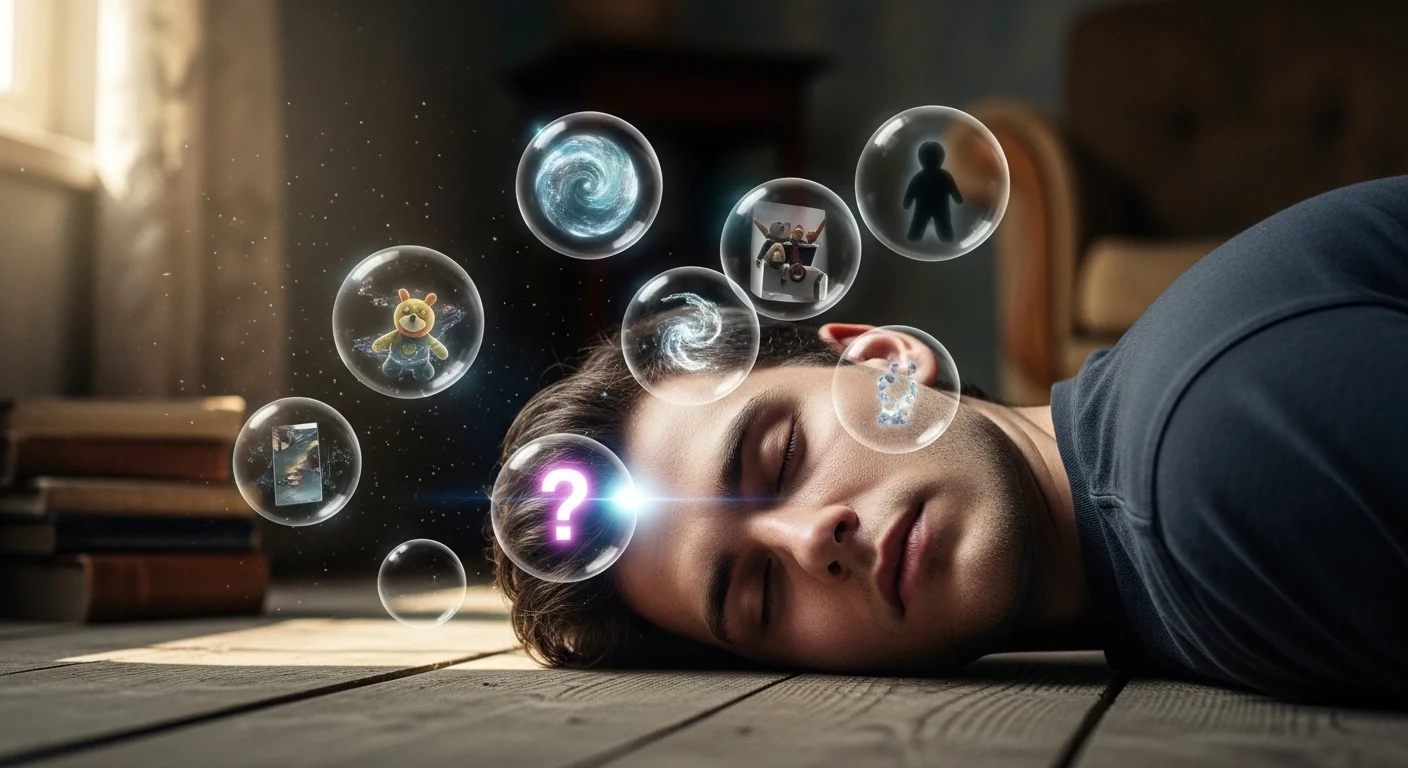
If you’re exploring the unconscious meaning, you may also encounter several related words.
Conscious
The opposite of unconscious.
Conscious means being awake, aware, and able to respond to surroundings.
Subconscious
Refers to thoughts and memories just below conscious awareness.
People may access subconscious memories through reflection or therapy.
Coma
A medical condition where a person remains unconscious for an extended period and cannot be awakened.
Instinct
Behaviors that happen automatically without conscious thought.
Examples include reflex reactions or survival responses.