
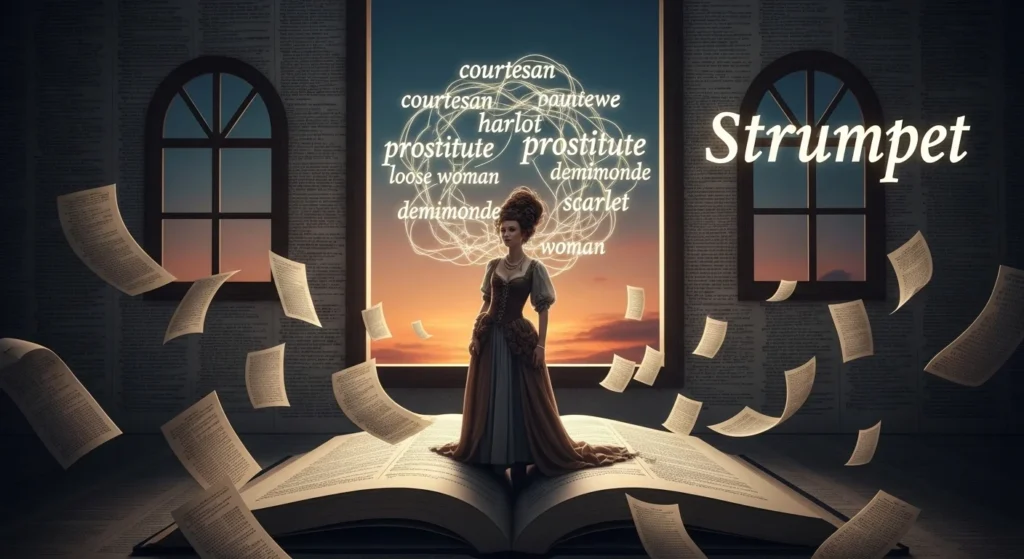
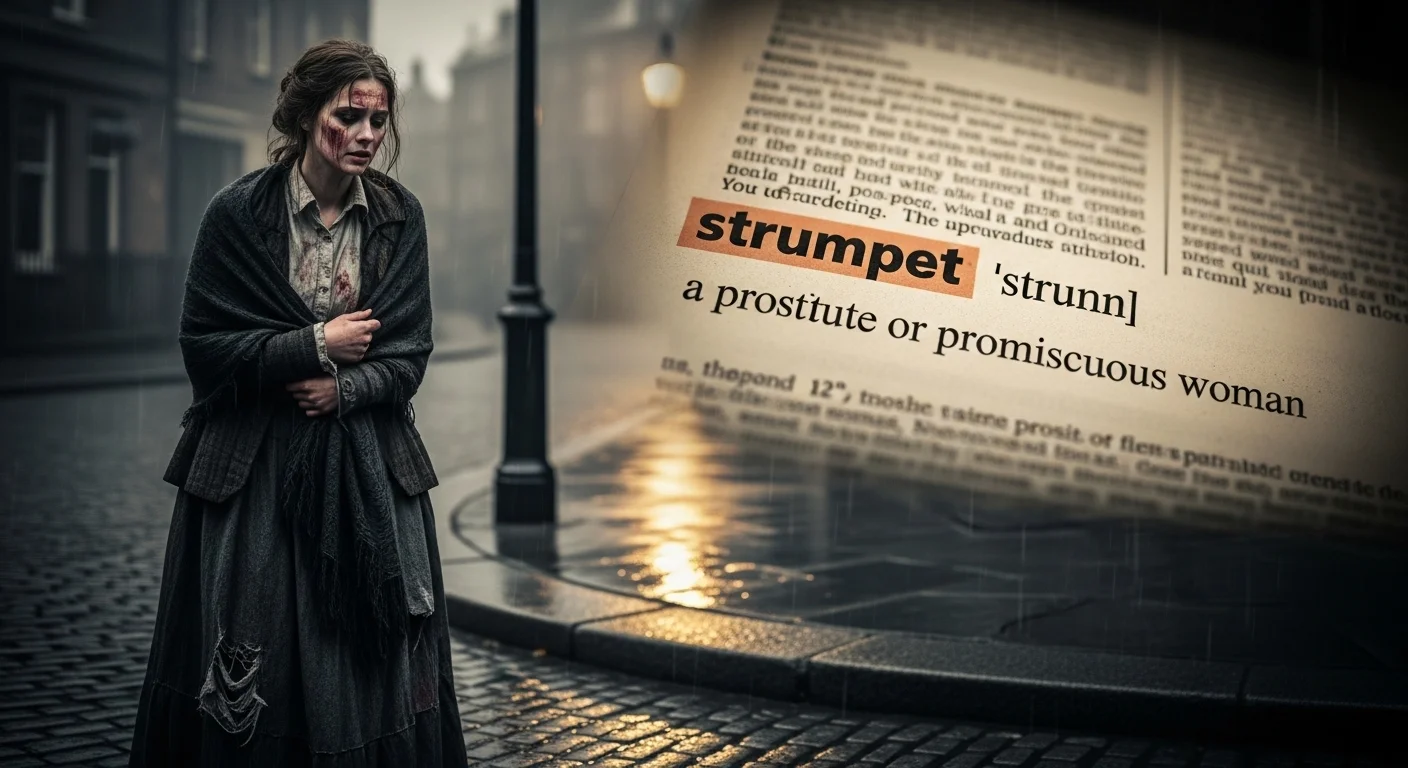
What Does “Strumpet” Mean in Chat or Text?
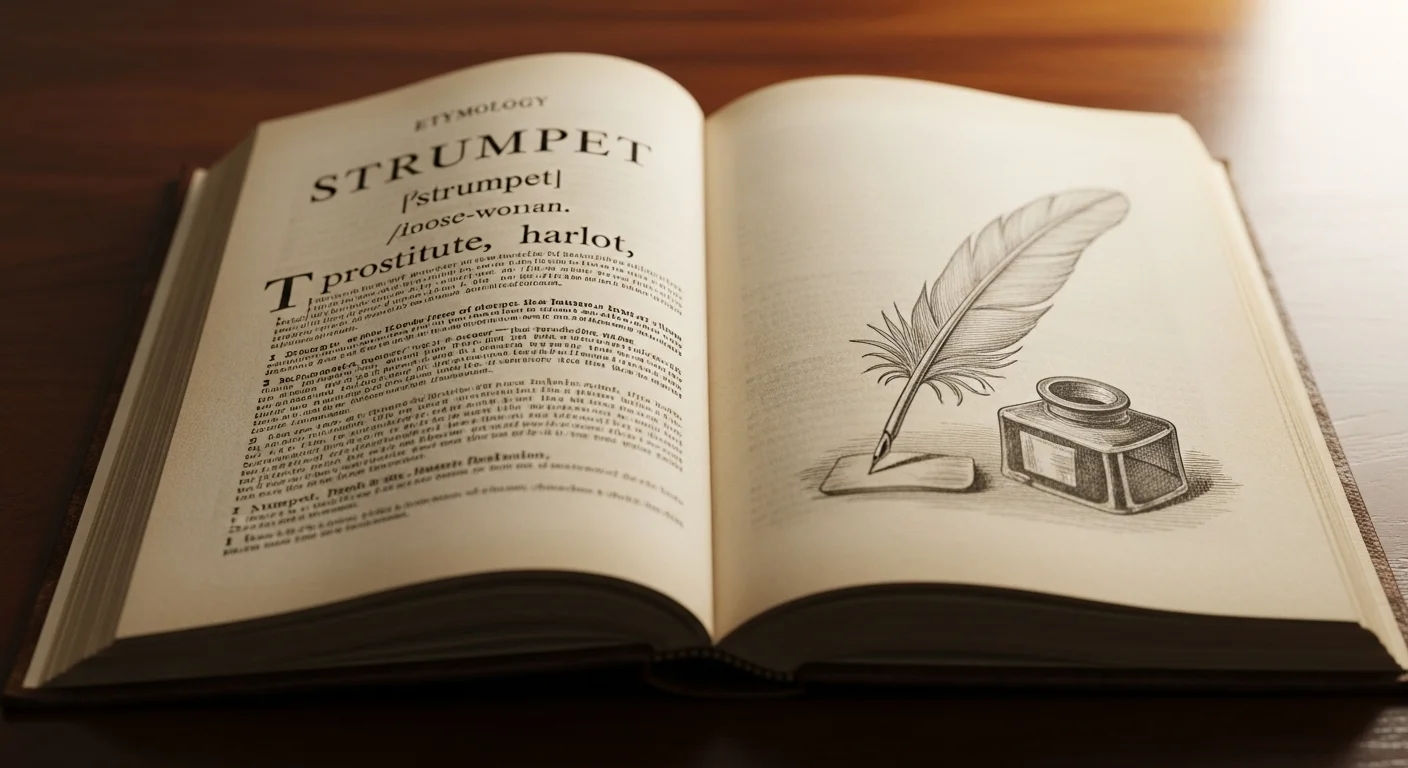
At its core, “strumpet” is an archaic term historically used to describe a woman considered promiscuous or morally loose. It originally comes from Middle English, around the 14th century, and has roots in Old French estrepete (meaning prostitute or harlot).
While most people today encounter it in literature, historical films, or Shakespearean plays, it sometimes appears in modern chat or memes to describe someone behaving flirtatiously or provocatively—though this is often ironic or exaggerated.
Key points about “strumpet”:
Historical meaning: Woman of questionable morals or a prostitute
Modern literary use: Often appears in Shakespeare, medieval stories, and period dramas
Online/chat usage: Mostly joking, sarcastic, or meme-based; rarely used seriously

How People Use “Strumpet” in Real Conversations
Even though it’s an old-fashioned word, “strumpet” can show up in a few modern online contexts:
Platforms:
Texting: Mostly joking among friends referencing historical plays or literature
Social media: Memes, Twitter threads, or TikTok historical jokes
Discord & forums: Roleplaying servers or literary discussion channels
Dating apps: Rarely; if used, it’s either playful or sarcastic
When it’s appropriate vs. awkward:
Appropriate: Literary discussions, memes, historical jokes
Awkward: Everyday insults or serious accusations—it can come off as extremely outdated or offensive
Pro tip: Using “strumpet” casually might confuse most Gen Z or millennial friends, so context is everything.
Real-Life Examples of “Strumpet” in Text Messages
Here are some chat-style examples to make it clear how people might encounter “strumpet” today:
Historical joke among friends:
Friend 1: “I finished Macbeth and Lady Macbeth is wild.”
Friend 2: “Honestly, she’s such a strumpet.”
(Explanation: Referring humorously to Lady Macbeth’s manipulative behavior.)
Memes about flirtation:
Caption: “When she flirts with your crush but denies it”
Text overlay: “Modern strumpet energy”
(Explanation: Used jokingly to describe playful, flirtatious behavior.)
Roleplay or literary context:
Player 1: “You dare accuse me, vile strumpet?”
Player 2: “I only speak truth, milord.”
(Explanation: Used in a medieval-style roleplay for authenticity.)
Classic Shakespeare reference:
“Out, damned strumpet!”
(Explanation: Direct quote from older literature; not modern chat, but people still reference it online.)