

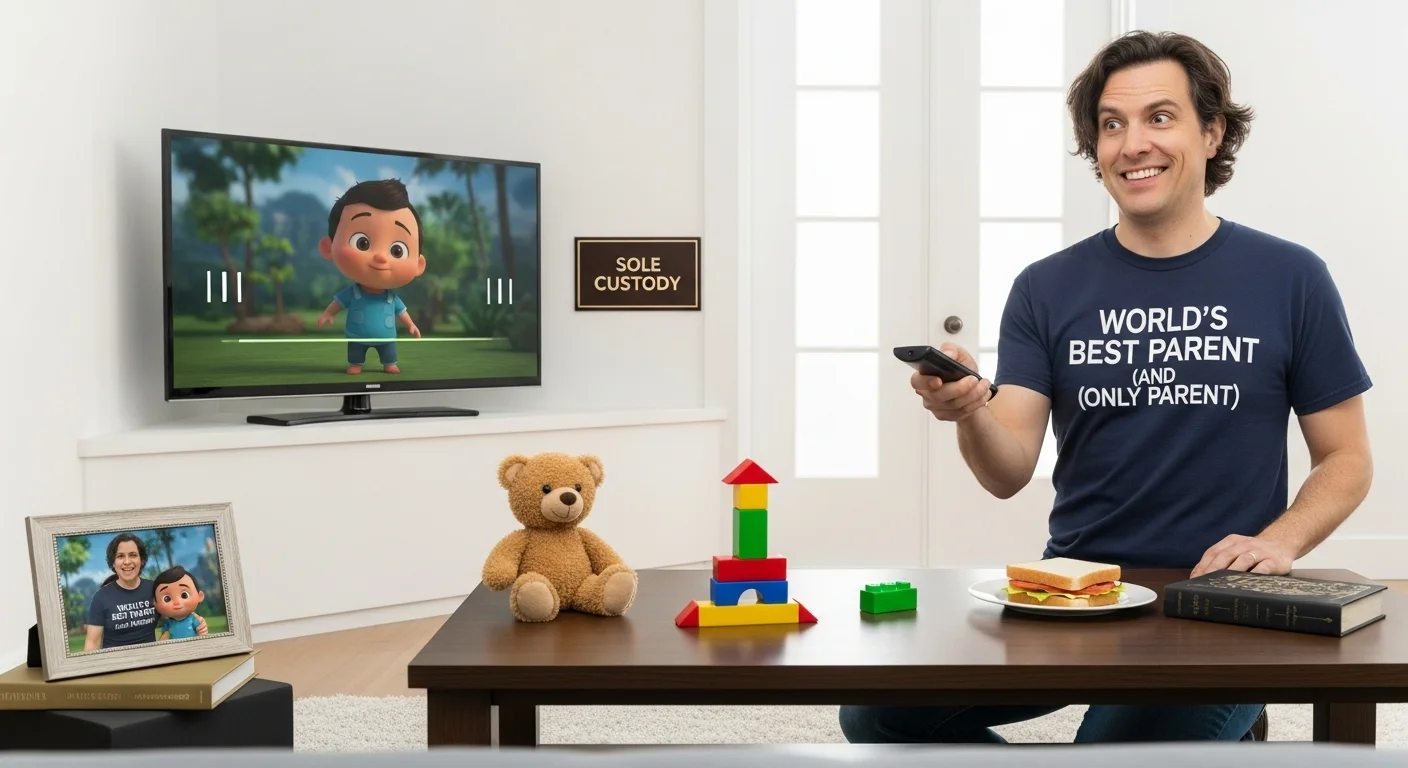
What Does “Sole Custody” Mean?
Sole custody means that one parent has the legal right and responsibility to make major decisions for a child and/or has primary physical care of the child.
In simple terms:
Sole custody = one parent is legally in charge of the child’s care and decisions
However, there are two different types of custody, and this is where confusion often starts.
Types of Sole Custody (Very Important)
Sole custody is not just one thing. Courts usually break it into legal custody and physical custody.
1. Sole Legal Custody
Sole legal custody means one parent has the authority to make major decisions for the child, including:
Education
Healthcare
Religion
Major life choices
The other parent may still:
Visit the child
Spend time with the child
Pay child support
But they do not have decision-making power.
2. Sole Physical Custody
Sole physical custody means the child lives primarily with one parent.
The other parent may have:
Visitation rights
Scheduled parenting time
Limited or supervised contact (depending on the case)
In many situations:
One parent has sole physical custody
Both parents share legal custody
So yes — sole custody does not always mean the other parent is “cut off.”
How People Use “Sole Custody” in Real Conversations
Outside of courtrooms, people often use sole custody more loosely than the law does.
Common real-life uses
You might hear:
“She has sole custody of the kids.”
“He’s fighting for sole custody.”
“They agreed on sole custody.”
In casual conversation, this usually means:
One parent is the primary caregiver
The child lives mostly with one parent
One parent makes most decisions
But legally, the exact meaning depends on court orders and custody agreements.
What Sole Custody Does — and Does NOT — Mean
This is one of the most misunderstood areas.
What sole custody DOES mean
One parent has primary authority
The child lives mainly with one parent (in physical custody cases)
The court believes this setup is best for the child
What sole custody does NOT automatically mean
The other parent loses all rights
The other parent never sees the child
The other parent stops being legally recognized
The other parent doesn’t pay or receive child support
Custody and visitation are separate legal concepts.

When Courts Grant Sole Custody
Courts do not give sole custody casually. The main standard used is “the best interest of the child.”
Common reasons courts may grant sole custody
History of abuse or neglect
Substance abuse issues
Domestic violence
Severe mental health concerns
Long-term absence or abandonment
Inability to co-parent safely
One parent being unfit or unstable
The goal is child safety and stability, not punishing a parent.
Sole Custody vs Joint Custody
This comparison helps clear up confusion fast.
Sole Custody
One parent has primary authority
One home is the child’s main residence
Less shared decision-making
Joint Custody
Both parents share responsibility
Decisions are made together
Child may split time between homes
Joint custody is common when parents can cooperate. Sole custody is used when cooperation or safety is a concern.
Real-Life Examples of Sole Custody
Example 1
Situation:
A parent has sole legal custody and decides which school the child attends.
Meaning:
The other parent cannot overrule that decision.
Example 2
Situation:
A child lives full-time with one parent and visits the other on weekends.
Meaning:
This is sole physical custody with visitation.
Example 3
Situation:
One parent has no decision-making rights but still pays child support.
Meaning:
Sole custody does not remove financial responsibilities.
Common Mistakes & Misunderstandings
1. Thinking sole custody means “no other parent”
This is false. Many sole custody arrangements still include:
Visitation
Phone calls
Holidays
Co-parenting communication
2. Confusing custody with child support
Custody does not determine child support automatically. Courts calculate support separately.
3. Assuming sole custody is permanent
Custody orders can change if:
Circumstances change
A parent improves stability
The child’s needs change
4. Using the term incorrectly online
People often say sole custody when they really mean:
Primary custody
Majority parenting time
Full-time residence
Legal wording matters in court.

Related Legal Terms You’ll See Often
If you’re learning the sole custody meaning, these related terms are important.
Joint custody – Shared responsibility
Legal custody – Decision-making authority
Physical custody – Where the child lives
Visitation – Scheduled time with the non-custodial parent
Parenting time – Modern term for visitation
Custody agreement – Court-approved parenting plan
Understanding these helps avoid confusion in legal or online discussions.