
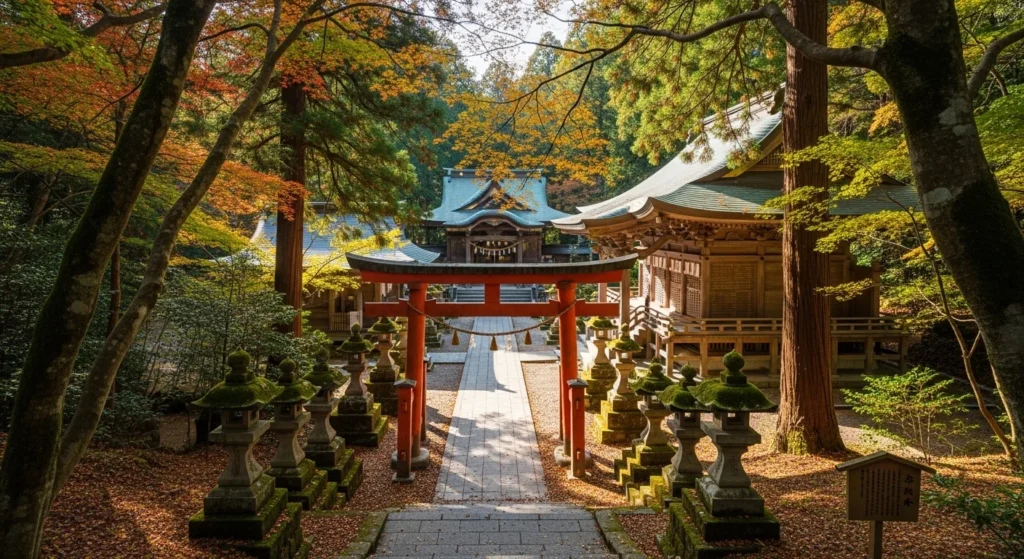

What Does “Shrine” Mean?
Definition:
A shrine is a special place that is considered holy, meaningful, or dedicated to honoring a person, deity, spirit, or memory.
Simple explanation
A shrine is usually:
A sacred or respected space
Used for prayer, remembrance, or devotion
Created to honor something important
Shrines can be:
Large buildings visited by pilgrims
Small home altars
Memorial spaces for loved ones
Cultural or historical landmarks
Different meanings based on context
1. Religious meaning
In religion, a shrine is a sacred place connected to:
A holy person
A saint or prophet
A deity or spiritual figure
A miracle or sacred event
People may visit to:
Pray
Offer candles or flowers
Seek blessings
2. Cultural or historical meaning
A shrine can also be:
A protected historic site
A monument honoring a national hero
A symbolic place of importance
Example:
“A shrine was built to honor the leader’s legacy.”
3. Personal or emotional meaning
In everyday life, the word is often used more loosely:
A small memorial at home
A decorated corner with photos and candles
A tribute display for someone admired
Example:
“She made a small shrine for her grandmother with photos and flowers.”
4. Humorous or exaggerated modern use
Online or in casual talk, people sometimes say shrine jokingly:
Example:
“My desk is basically a shrine to coffee.”
Meaning:
They love coffee and keep many coffee-related items.
Origin of the word
The word comes from the Latin scrinium, meaning box or chest for sacred items. Over time, it came to mean the place where sacred or respected objects are kept, and later any holy or honored location.

How People Use “Shrine” in Real Conversations
The shrine meaning in everyday language varies depending on the situation.
1. Religious discussions
Example:
“Thousands of people visit the shrine each year.”
Meaning:
A sacred religious location where people go to pray or show devotion.
2. Travel and tourism
Example:
“We stopped at a mountain shrine on our trip.”
Meaning:
A culturally or spiritually significant site.
Many countries have famous shrines visited by pilgrims and tourists alike.
3. Family or memorial contexts
Example:
“They created a small shrine in the living room after the funeral.”
Meaning:
A respectful remembrance space with photos or candles.
4. Casual or humorous conversations
Example:
“His gaming setup is a shrine to old consoles.”
Meaning:
He collects and displays many gaming items.
Here, shrine means a place showing strong admiration or dedication.
When it’s appropriate vs awkward
Appropriate:
Religious or cultural contexts
Memorial discussions
Respectful tributes
Symbolic admiration
Can sound awkward if:
Used too dramatically for ordinary objects
Used jokingly in sensitive religious discussions
Example awkward use:
“My kitchen is a shrine to sandwiches” (might sound exaggerated unless clearly joking)
Real-Life Examples of “Shrine” in Sentences
Here are relatable examples with explanations.
Example 1
“Pilgrims traveled long distances to visit the shrine.”
Meaning: A sacred religious site important for worship or devotion.
Example 2
“She lit a candle at the roadside shrine.”
Meaning: A memorial placed where someone passed away.
Example 3
“Grandpa’s study is a shrine to classic books.”
Meaning: The room is filled with books he loves — used figuratively.
Example 4
“They built a shrine in the temple courtyard.”
Meaning: A small sacred structure within a religious complex.
Example 5 (modern casual use)
“My playlist is basically a shrine to 90s music.”
Meaning: The playlist heavily features and celebrates that era.
These examples show how shrine can be literal, symbolic, or humorous depending on tone and context.

Common Mistakes & Misunderstandings
1. Thinking a shrine is always a temple
Not exactly.
A temple is a large building for worship.
A shrine can be:
Inside a temple
A small sacred spot
Even a simple memorial
All temples may contain shrines, but not all shrines are temples.
2. Assuming shrines are only religious
While many are religious, shrines can also be:
Historical monuments
Cultural memorials
Personal remembrance spaces
Symbolic tributes
3. Using the word disrespectfully
Because many shrines are sacred, joking about them in religious contexts may offend some people.
Use humor only in clearly casual settings.
4. Confusing shrine with altar
They are related but different:
Altar: A surface or table used for offerings or rituals
Shrine: The entire sacred place or structure
An altar may exist inside a shrine.
Related Words and Concepts
If you’re learning what does shrine mean, these related terms often appear with it:
1. Temple
A large building dedicated to worship or religious rituals.
2. Sanctuary
A holy or protected place, often inside a religious building.
3. Memorial
A structure or place created to remember a person or event.
4. Mausoleum
A building that houses a tomb or burial chamber.
5. Altar
A sacred table used for offerings, prayer, or rituals.