


What Does “Schism” Mean in Chat or Text?
“Schism” means a split, division, or separation between groups, often due to disagreement or differing beliefs.
Main meanings include:
Religious meaning: A formal division within a religious group, often due to theological differences.
Example: “The Great Schism of 1054 split the Eastern and Western churches.”
General or figurative meaning: Any division or separation within a group, organization, or community.
Example: “There was a schism in the company after the new policy was introduced.”
Chat / informal usage: Sometimes used humorously or dramatically to describe disagreements in groups or teams online.
Example: “There’s a schism in our gaming squad over which strategy to use.”
Key points about schism:
Origin: From Greek schisma, meaning split or division.
Chat use: Rare, but can appear in serious debates or playful exaggeration.
Tone: Neutral to formal; can sound dramatic in casual conversation.
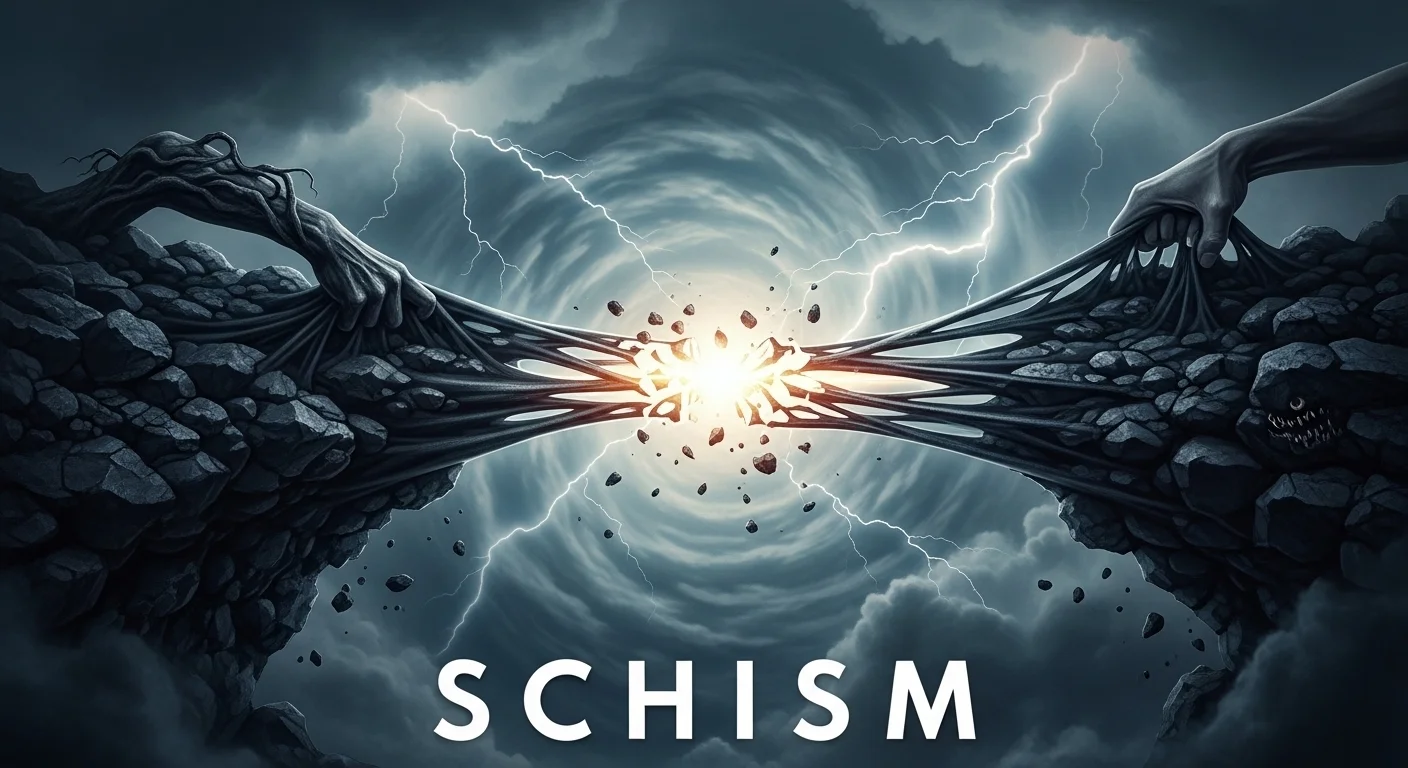
How People Use “Schism” in Real Conversations
While schism is more formal than most slang, it still appears in modern contexts:
Platforms:
Texting: Occasionally in humorous or dramatic contexts.
Social media: In debates, history discussions, or political commentary.
Messaging apps & forums: For disagreements, factions, or debates in gaming, politics, or social groups.
Academic / News: Most common in discussions of religion, politics, or history.
When it’s appropriate vs. awkward:
Appropriate: Historical discussions, academic writing, formal debates, or dramatic humor.
Awkward: Casual chit-chat with friends unfamiliar with the term—it may sound too formal.
Pro tip: Use context clues—religion, history, or disagreement—to ensure the correct interpretation.

Real-Life Examples of “Schism” in Text Messages
Here are examples of how schism can appear in modern text or chat:
Religious context:
“The Protestant Reformation caused a major schism in the church.”
(Explanation: A historical split in religion.)
Workplace / organizational context:
“There’s a schism in the team about who should lead the project.”
(Explanation: A disagreement causing division.)
Gaming / casual context:
“After the argument, there’s a schism in our guild.”
(Explanation: A playful exaggeration for a split or disagreement.)
Political / social context:
“The party experienced a schism after the controversial policy vote.”
(Explanation: A division within a political group.)