
What Does “Province” Mean?
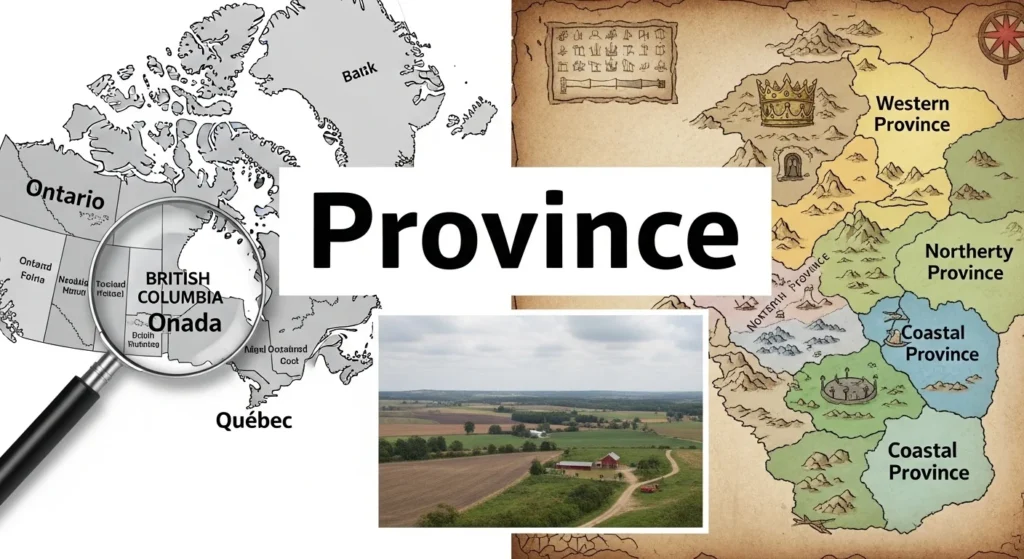
The province meaning refers to a major territorial division of a country, often governed by regional authorities under the national government.
Simple Definition
Province:
A large administrative region within a country that has its own local government or administrative authority.
In many countries, provinces function as subnational divisions, meaning they exist under the national government but still manage local matters.
Key Characteristics of a Province
Most provinces typically have:
A regional government
An official capital city
Administrative authority over local services
Defined geographic boundaries
Provinces are designed to help governments manage large populations and territories more efficiently.
Origin and History of the Word “Province”
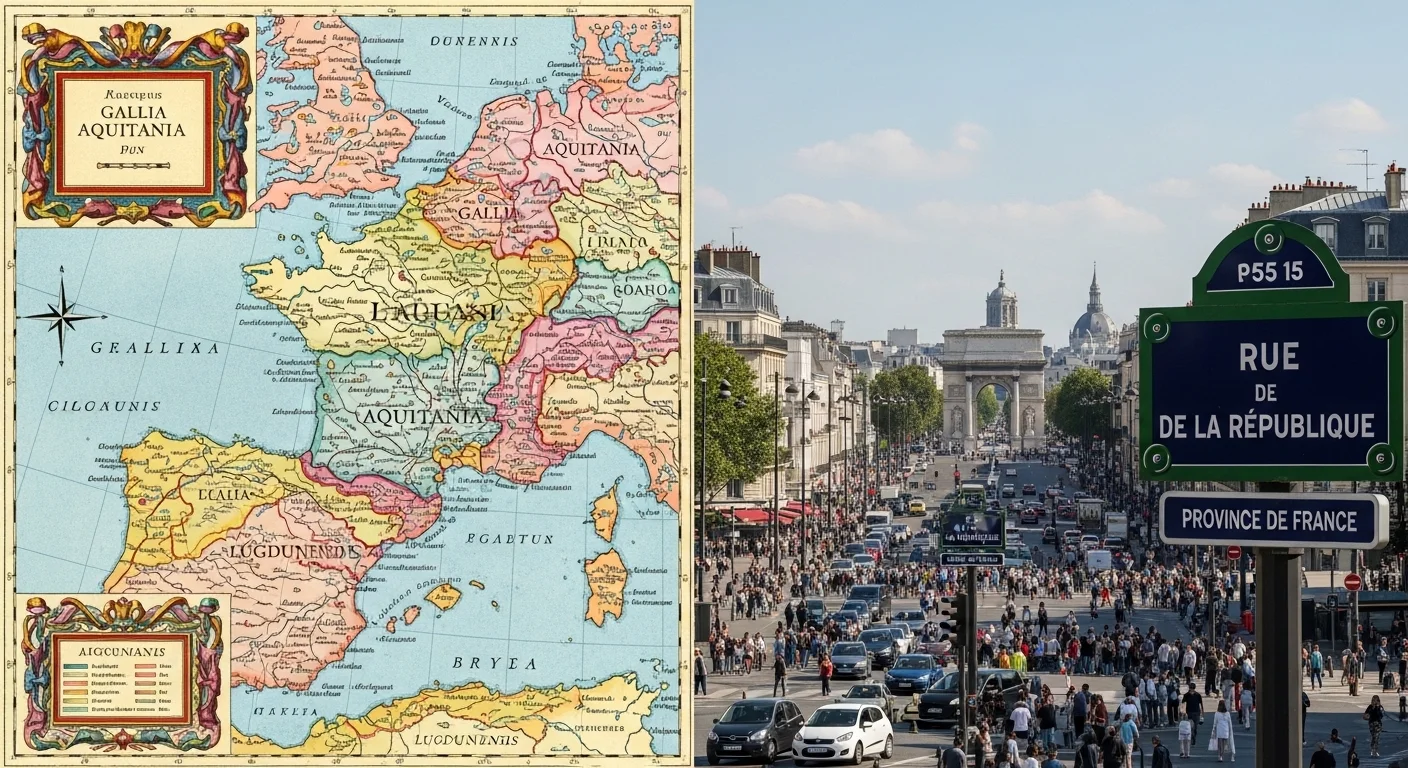
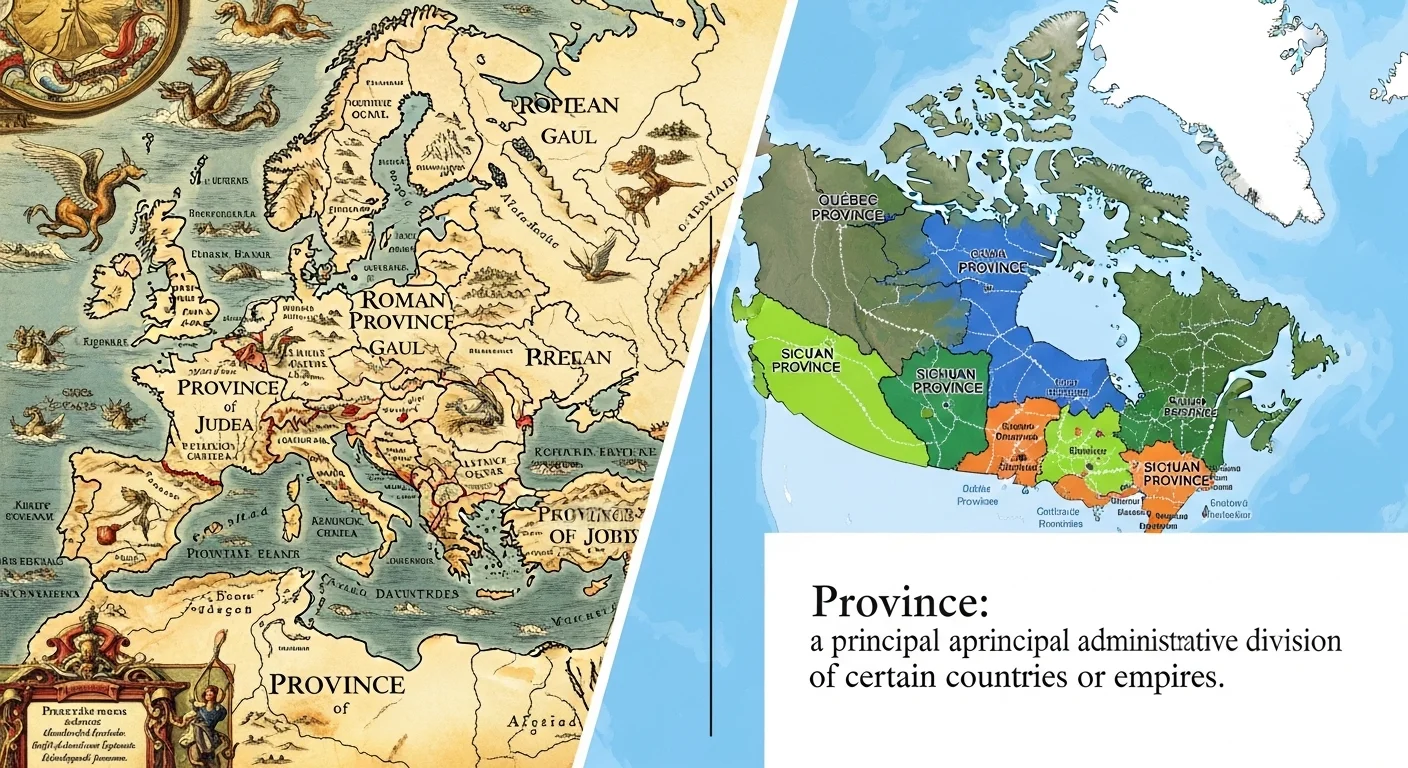
The word province comes from the Latin term provincia, which was used in the Roman Empire to describe territories governed outside of Rome.
In ancient Rome, provinces were regions controlled by Roman officials who represented the central government.
Over time, the word entered many modern languages and now refers to administrative divisions within countries.
Today, provinces exist in many parts of the world, particularly in countries with large land areas or diverse populations.
How Provinces Work in Different Countries
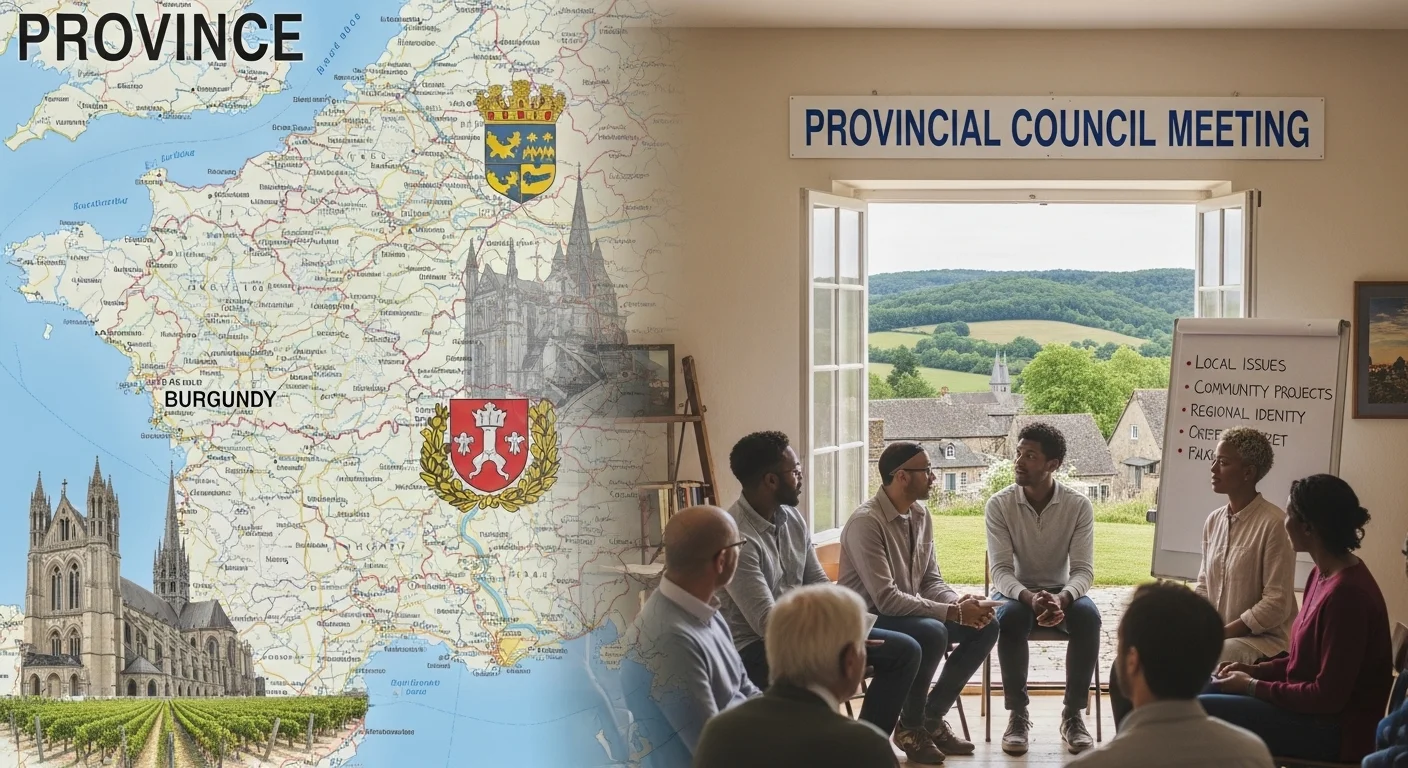
Different countries organize their provinces in slightly different ways, but the overall purpose is the same: regional administration and governance.
Canada
Canada is divided into ten provinces, each with its own government responsible for areas like education, healthcare, and transportation.
Some well-known provinces include:
Ontario
Quebec
British Columbia
Alberta
Each province has significant autonomy within the country.
Pakistan
Pakistan has four main provinces, each with its own provincial government.
These include:
Punjab
Sindh
Khyber Pakhtunkhwa
Balochistan
Each province manages many local matters such as education, law enforcement, and development projects.
China
China also uses provinces as major administrative divisions.
The country has over 20 provinces, along with other administrative regions such as autonomous regions and municipalities.
Italy and Spain
In some European countries, provinces exist between regions and cities, helping manage local administration.
Why Countries Use Provinces
Large countries often divide their territories into provinces to make governance more manageable.
Main Reasons Provinces Exist
Administrative Efficiency
Managing a large country from a single central government would be difficult.Local Decision-Making
Provincial governments understand local needs better.Balanced Development
Provinces can focus on regional development.Political Representation
Citizens can participate in both national and regional governance.
This system helps governments operate more effectively across large territories.
Real-Life Examples of Provinces
Looking at real-world examples helps clarify the province meaning.
Example 1
“Punjab is the most populous province in Pakistan.”
Explanation:
Punjab is one of the country’s main administrative regions.
Example 2
“Ontario is the largest province by population in Canada.”
Explanation:
Ontario is one of Canada’s provincial divisions with its own government.
Example 3
“The provincial government announced new education reforms.”
Explanation:
A government at the province level is responsible for certain policies.
Example 4
“Different provinces may have different local laws.”
Explanation:
Some policies can vary depending on the region.
Province vs State: What’s the Difference?
People often confuse provinces with states because both are large administrative regions.
Provinces
Commonly used in countries such as:
Canada
Pakistan
China
Argentina
States
Used in countries like:
United States
India
Australia
Germany
Key Difference
In many cases, the difference is mostly terminology rather than function. Both provinces and states serve as regional divisions with some governing powers.
However, in some countries, states may have more political independence than provinces.
Province vs Territory vs Region
Understanding related terms helps avoid confusion.
Province
A major administrative division with its own local government.
Territory
A region controlled by a country but often with less self-governance than provinces or states.
Region
A broader geographic area that may or may not have official administrative authority.
How Provincial Governments Work
Provincial governments usually operate similarly to national governments but on a smaller scale.
Typical Structure
Most provinces have:
A governor or chief minister
A provincial assembly or legislature
Local administrative departments
These governments manage issues such as:
Education
Healthcare
Infrastructure
Transportation
Local economic development
However, national governments still control areas like foreign policy and national defense.
Common Misunderstandings About Provinces
Even though the concept is straightforward, people sometimes misunderstand how provinces work.
Mistake 1: Thinking Provinces Are Independent Countries
Provinces are not separate nations. They remain part of a larger country.
Mistake 2: Assuming All Countries Use Provinces
Not all countries divide their territories into provinces. Some use:
States
Regions
Departments
Counties
Mistake 3: Believing Provinces Have Full Political Independence
Provinces usually have limited authority compared to the national government.
Related Terms and Concepts
When researching the province meaning, you might encounter several related words.
Federal System
A political system where power is shared between national and regional governments.
Local Government
Smaller administrative bodies responsible for cities or municipalities.
Municipality
A city or town with its own local government.
Administrative Division
A general term describing how countries divide territories for governance.