
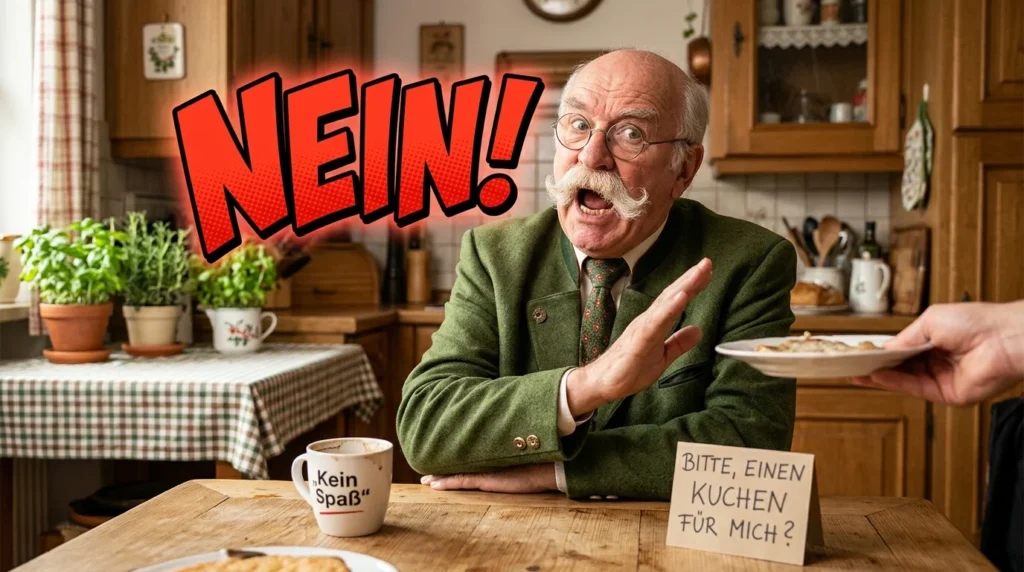

What Does “Nein” Mean in Chat or Text?
The simplest definition is:
Nein = No (in German)
When translated directly into English, Nein means a clear and straightforward “no.”
For example:
“Will you wake up at 5 AM tomorrow?”
“Nein.”
The response simply means:
“No.”
Why Do English Speakers Use Nein?
Even though most people chatting online aren’t speaking German, many use Nein because:
- It sounds dramatic or funny
- It’s popular in memes
- It appears in movies and video games
- It’s easily recognized by internet users
- It adds personality to a response
Instead of simply typing “no,” someone might write:
“Nein!”
to make the message more playful or expressive.
Brief Origin of Nein
The word comes directly from the German language, where it has been used for centuries as the standard word for “no.”
Over time, exposure through:
- Films
- Television shows
- Historical documentaries
- Video games
- Internet memes
helped make the word familiar to English-speaking audiences.
Today, many people recognize Nein even if they don’t speak German.
How People Use “Nein” in Real Conversations
In online communication, Nein is usually used for emphasis, humor, or dramatic effect rather than actual German conversation.
Common Places You’ll See Nein
The word frequently appears on:
- Text messages
- Instagram comments
- TikTok videos
- Discord servers
- Reddit discussions
- Gaming chats
- Meme pages
- YouTube comments
Casual Usage
Someone might jokingly respond:
“Want to do extra homework this weekend?”
“Nein.”
The German word makes the refusal sound more humorous than a simple “no.”
Dramatic Usage
Sometimes people use Nein for exaggerated reactions.
Example:
“The game crashed right before I won.”
“NEIN!”
Here, the word expresses frustration or disbelief.
Meme Culture Usage
Many memes use Nein because it’s instantly recognizable and often associated with dramatic reactions.
People may write:
- “Nein!”
- “Absolutely nein.”
- “A thousand times nein.”
to emphasize rejection or disagreement.
When Using Nein Is Appropriate
Nein works well when:
- Joking with friends
- Responding playfully
- Creating memes
- Adding dramatic flair
- Referencing German culture
When It Might Be Awkward
Using Nein may feel strange when:
- Writing professional emails
- Having serious business discussions
- Communicating with someone unfamiliar with internet humor
In formal situations, simply using “no” is usually clearer.
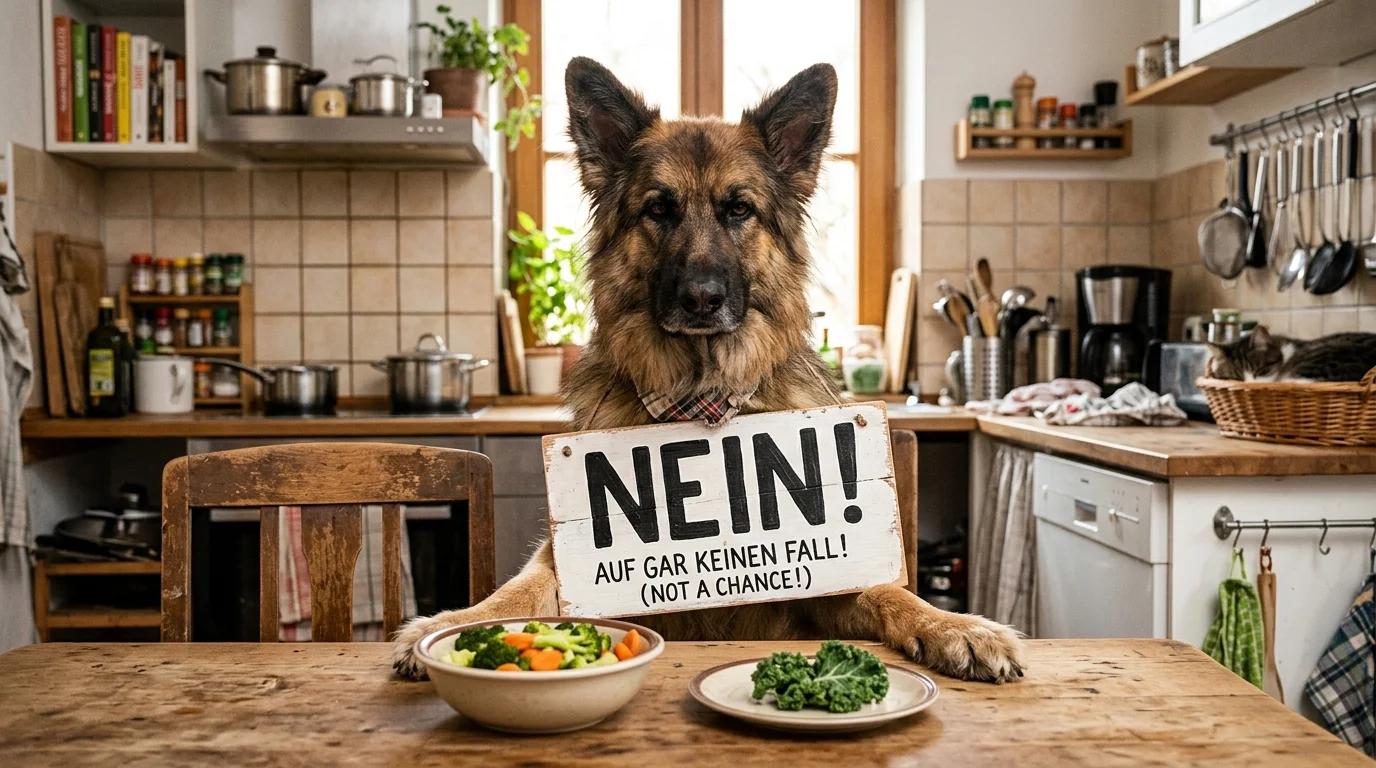
Real-Life Examples of Nein in Text Messages
Here are some examples showing how the Nein meaning in chat appears in everyday conversations.
Example 1: Weekend Plans
Friend: Want to wake up at 6 AM on Saturday?
You: Nein.
Explanation: A humorous way to say no.
Example 2: Gaming Conversation
Teammate: Ready to lose again?
Player: Nein! Not this time.
Explanation: The player dramatically rejects the idea.
Example 3: Social Media Comment
Post: Monday morning arrives.
Comment: Nein.
Explanation: A relatable joke expressing dislike for Mondays.
Example 4: Group Chat
Friend: Let’s do a 10-hour study session.
You: Nein. My brain refuses.
Explanation: A playful rejection.
Example 5: Meme Response
User 1: Pineapple belongs on pizza.
User 2: Nein!
Explanation: A humorous disagreement.
Example 6: Online Forum
Person: Should I buy another game I don’t have time to play?
Reply: Nein. Save your money.
Explanation: A direct but playful refusal.
Common Mistakes & Misunderstandings
Because Nein is a foreign-language word, people sometimes misunderstand it.
Assuming It’s Slang
Many users think Nein is modern internet slang.
In reality:
Nein is a standard German word, not a slang term.
Its popularity online comes from internet culture and memes.
Thinking It Has Multiple Meanings
Unlike many abbreviations, Nein is straightforward.
It simply means:
No
Most uses online are variations of that basic meaning.
Mispronouncing Nein
English speakers sometimes struggle with pronunciation.
Nein is generally pronounced similarly to:
“Nine”
although native German pronunciation differs slightly.
Using It in Formal Situations
Because Nein is often associated with jokes, memes, and casual internet culture, it may sound out of place in professional communication.
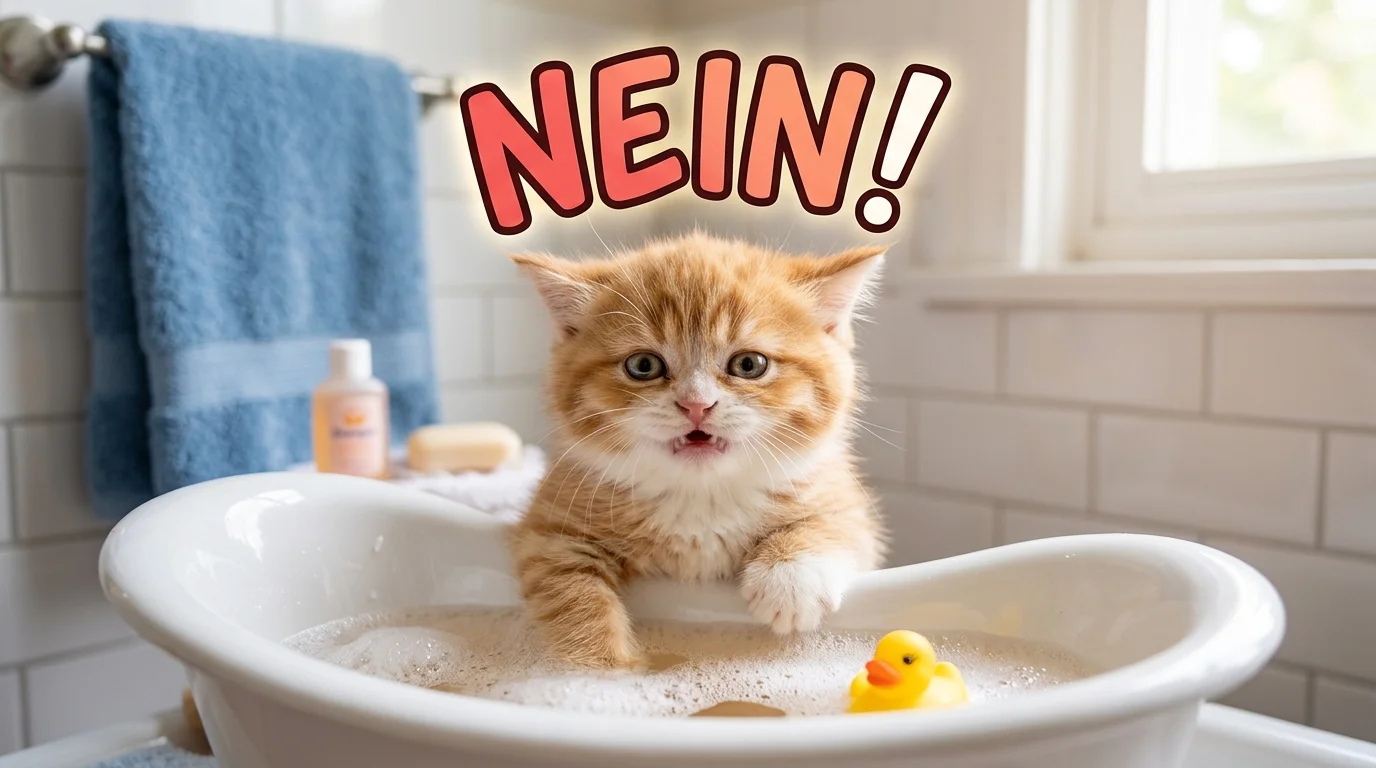
Related Slangs & Expressions
If you’re interested in internet language and popular responses, these related terms are worth knowing.
Nope
Nope is a casual version of “no.”
Example:
“Want to work on Sunday?”
“Nope.”
Nah
Nah is an informal way to disagree or decline.
Example:
“Want pizza?”
“Nah.”
Nuh-Uh
A playful way to say no.
Example:
“You stole my fries.”
“Nuh-uh.”
Pass
Used when declining something.
Example:
“Want to join?”
“I’ll pass.”
Hard Pass
A stronger rejection.
Example:
“Another meeting at 7 PM?”
“Hard pass.”
These expressions serve a similar purpose to Nein in casual conversations.