
What Does “Leaves” Mean in Chat or Text?
The word leaves can have multiple meanings depending on context:
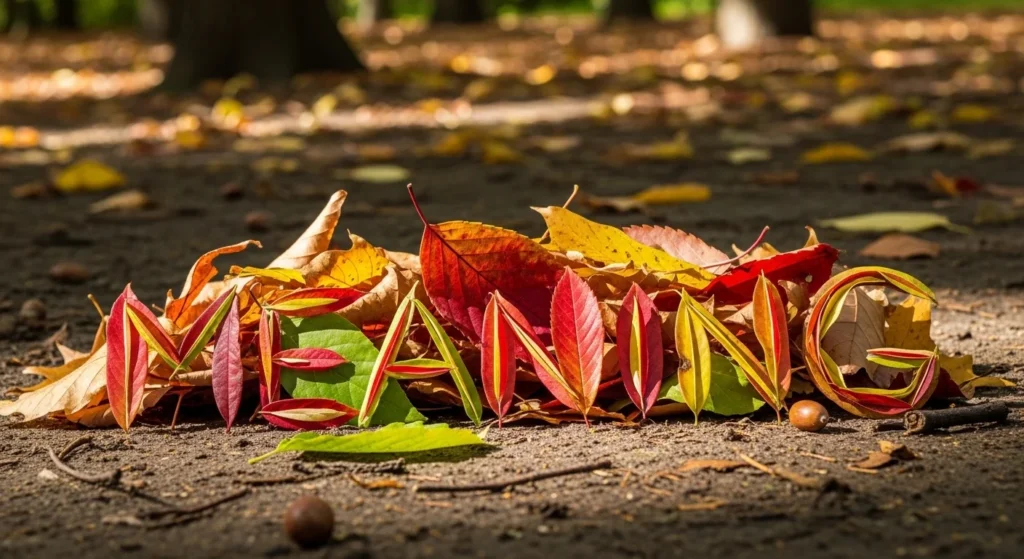
Botanical meaning: The flat, green parts of a plant or tree used for photosynthesis.
Example: “The tree has bright green leaves this spring.”
Action / Verb meaning: Third person singular of “leave,” meaning to go away, depart, or exit.
Example: “She leaves the office at 6 PM every day.”
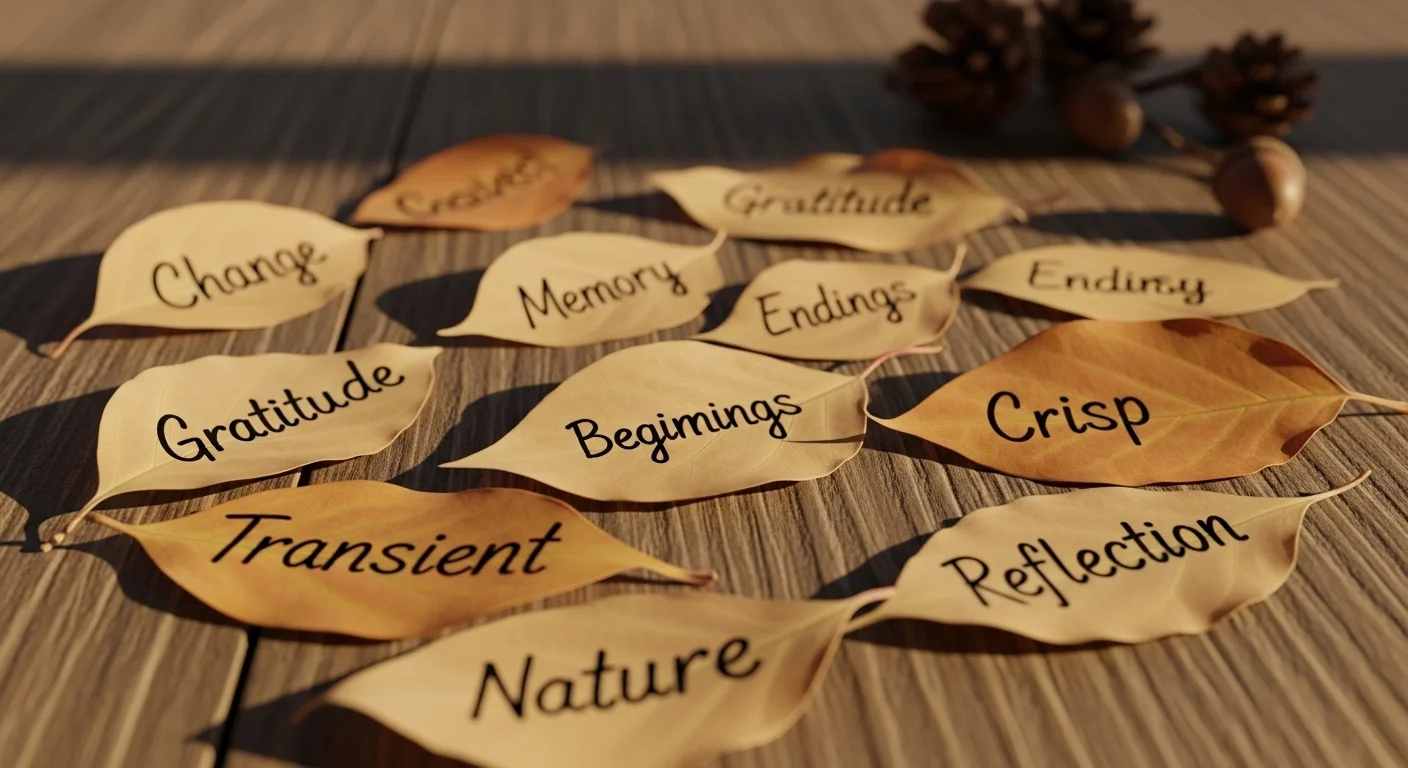
Figurative or symbolic meaning: Can symbolize change, growth, departure, or endings in literature, art, or casual conversation.
Example: “As autumn comes, the leaves fall.”
Slang / Chat usage:
Can indicate someone leaving a conversation, game, or group chat.
Example: “He just leaves mid-game—so annoying!”
Key points about leaves:
Origin: From Old English “lēaf” for the plant structure, and “læfan” for to leave or depart.
Chat use: Mostly used literally or as shorthand to indicate someone leaving a conversation or group.
Tone: Neutral, can be casual or poetic depending on context.
How People Use “Leaves” in Real Conversations
Even though it’s a simple word, leaves appears in many modern contexts:
Platforms:
Texting: Informing someone you are leaving or someone else has left.
Social media: Posts about nature, travel, seasonal changes, or departure.
Gaming / Discord: Refers to players leaving the game or chat.
Messaging apps: Can be playful (“He leaves again!”) or literal.
When it’s appropriate vs. awkward:
Appropriate: Nature discussions, casual chats, updates about leaving.
Awkward: Overusing it in slang when the audience may not understand.
Pro tip: Context is everything—botanical, action, or symbolic usage all change the meaning of leaves.
Real-Life Examples of “Leaves” in Text Messages
Here are relatable examples to show how leaves is used today:
Botanical context:
“Check out the leaves on this maple tree—so colorful!”
Departing someone or something:
Friend 1: “Where did John go?”
Friend 2: “He leaves for work at 8 every morning.”
Gaming or chat context:
“Ugh, he leaves the group mid-game again.”
Symbolic / poetic:
“The leaves fall, signaling the end of summer.”