
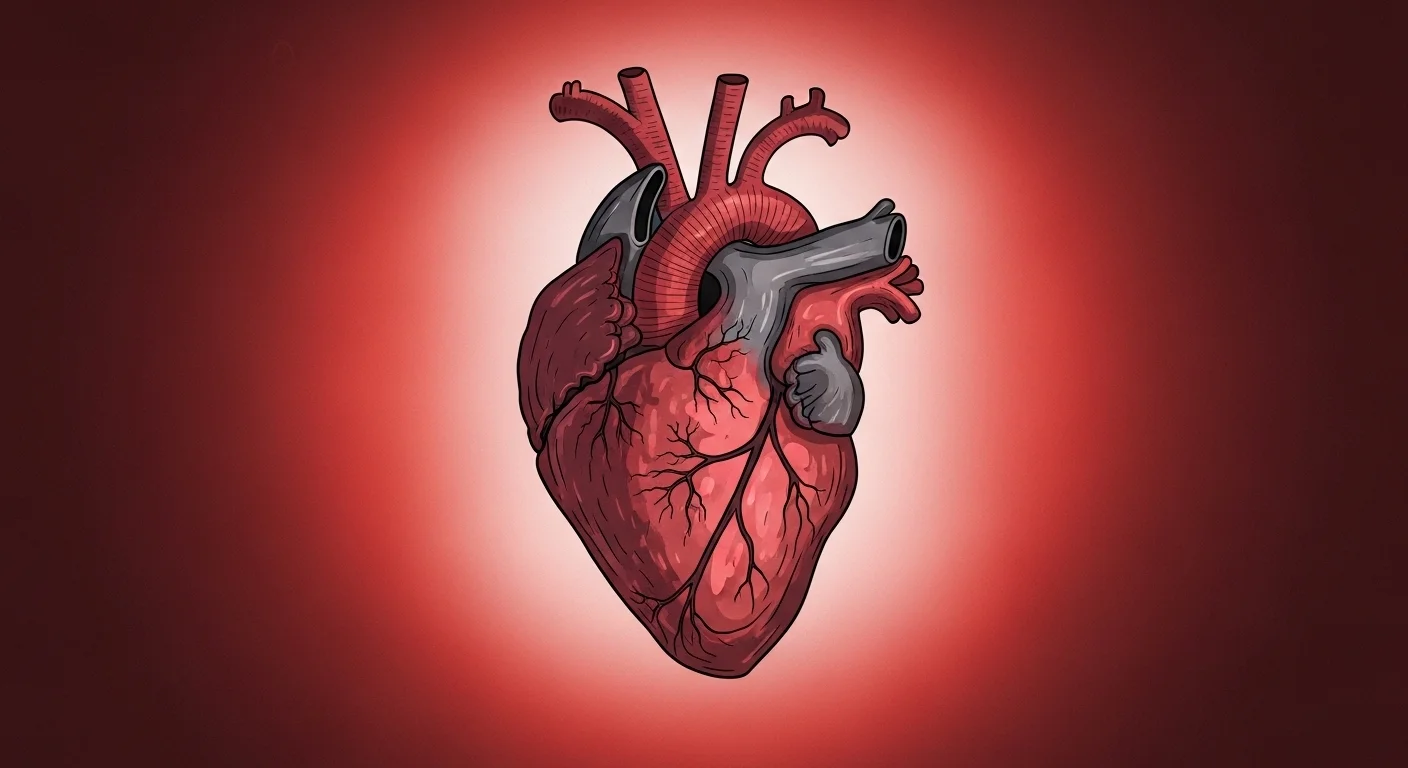
What Does “Heart Ablation” Mean?
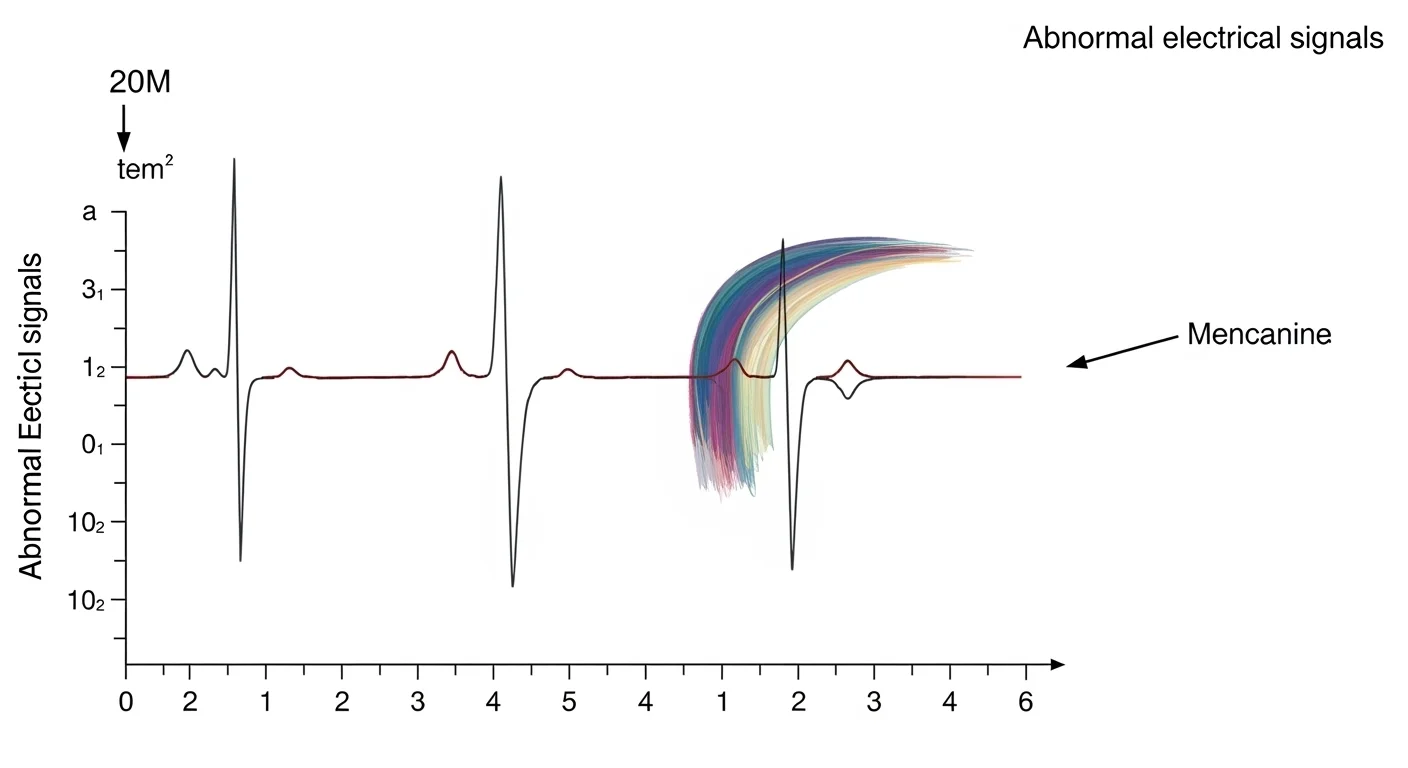
Heart ablation is a medical procedure that destroys or scars small areas of heart tissue that are causing abnormal electrical signals.
Your heart beats because of electrical signals that move through the heart muscle. When these signals become disorganized or start in the wrong place, the heart may beat:
Too fast
Too slow
Irregularly
This condition is called an arrhythmia, and one of the most common types is Atrial Fibrillation.
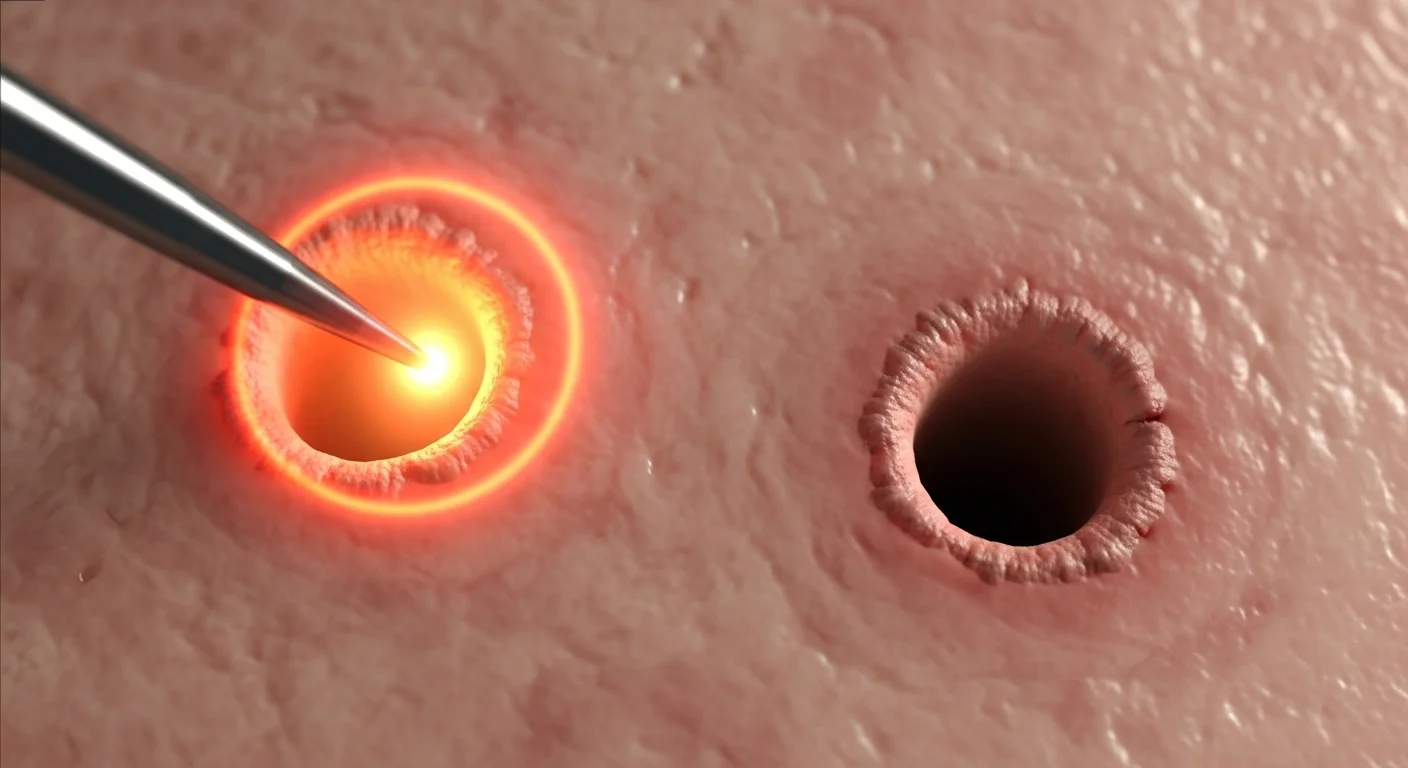
During a heart ablation procedure, doctors use heat, cold, or other energy sources to create tiny scars in the heart tissue. These scars block the abnormal signals and help the heart return to a normal rhythm.
Simple Definition
Heart ablation meaning:
A minimally invasive procedure used to treat irregular heartbeats by destroying small areas of heart tissue responsible for faulty electrical signals.
Types of Heart Ablation
There are several types of ablation used in cardiology:
Catheter Ablation
The most common method
Thin tubes called catheters are inserted through blood vessels into the heart.
Radiofrequency Ablation
Uses heat energy to destroy problematic tissue.
Cryoablation
Uses extreme cold to freeze abnormal cells.
Surgical Ablation
Sometimes performed during open-heart surgery.
Most modern procedures use catheter-based techniques, which means no large surgical incision is needed.
Why Doctors Recommend Heart Ablation
Doctors usually recommend heart ablation when medications alone are not enough to control abnormal heart rhythms.
The procedure may be used to treat several types of arrhythmias, including:
Atrial fibrillation
Atrial flutter
Supraventricular tachycardia (SVT)
Ventricular tachycardia
Wolff-Parkinson-White syndrome
These conditions can cause symptoms like:
Heart palpitations
Dizziness
Chest discomfort
Shortness of breath
Fatigue
In more serious cases, untreated arrhythmias can increase the risk of complications such as stroke or heart failure.
When Ablation Becomes an Option
Doctors may suggest heart ablation if:
Medications do not control the rhythm
Side effects from drugs become problematic
The arrhythmia keeps returning
The patient wants a long-term solution instead of lifelong medication
For many people, ablation significantly improves quality of life and reduces symptoms.
How Heart Ablation Works
To understand the heart ablation meaning more clearly, it helps to look at what happens during the procedure.
Although techniques may vary slightly, the general process is similar.
Step-by-Step Overview
Preparation
The patient receives local anesthesia and sometimes mild sedation.
Doctors insert thin tubes (catheters) through a blood vessel, usually in the groin.
Mapping the Heart
Special equipment tracks electrical signals inside the heart.
Doctors identify the exact location causing abnormal rhythms.
Energy Delivery
Heat or cold energy is applied through the catheter tip.
This destroys the problematic tissue.
Signal Correction
Once the abnormal pathway is blocked, the heart’s electrical system can return to a normal rhythm.
Monitoring
Doctors monitor the heart to ensure the arrhythmia is corrected.
The entire procedure typically takes 2 to 4 hours, though complex cases may take longer.
What Happens After Heart Ablation
Recovery from heart ablation is usually much faster than traditional heart surgery.
Typical Recovery Timeline
Most patients experience:
Same-day or next-day discharge
Mild soreness at the catheter insertion site
Temporary fatigue
Doctors may recommend avoiding strenuous activity for about one week.
Some patients may notice occasional irregular beats shortly after the procedure. This does not always mean the ablation failed. The heart often needs time to heal and stabilize.
Benefits of Heart Ablation
One reason heart ablation is widely used today is its effectiveness.
Many patients experience significant improvement after the procedure.
Possible Benefits
Restores a normal heart rhythm
Reduces heart palpitations
Improves energy levels
Decreases reliance on medication
Improves overall quality of life
For certain conditions like atrial fibrillation, success rates may reach 70–90% depending on the patient and type of arrhythmia.
Risks and Considerations
Although heart ablation is generally safe, it is still a medical procedure and carries some risks.
Possible Complications
These are uncommon but may include:
Bleeding at the catheter site
Blood clots
Infection
Damage to heart tissue
Rare complications involving the lungs or blood vessels
Doctors evaluate each patient carefully to ensure the benefits outweigh the risks.
Who Is a Good Candidate for Heart Ablation?
Not everyone with an irregular heartbeat needs ablation.
Cardiologists consider several factors before recommending the procedure.
Doctors May Recommend Ablation If:
Arrhythmia symptoms are severe
Medications are ineffective
Episodes occur frequently
The condition increases risk of stroke or heart failure
Younger patients often benefit particularly well because the procedure may prevent decades of medication use.
Heart Ablation vs Medication
Many people wonder whether heart ablation is better than medication.
The answer depends on the individual case.
Medication Approach
Doctors often start with medications such as:
Beta blockers
Antiarrhythmic drugs
Blood thinners
These help manage symptoms but may not permanently fix the electrical problem.
Ablation Approach
Heart ablation aims to correct the source of the abnormal rhythm, making it a potentially long-term solution.
Some patients still need medication afterward, but often at lower doses.
Common Myths About Heart Ablation
Because the procedure involves the heart, many misconceptions exist.
Myth 1: Heart ablation is open-heart surgery
This is false. Most ablations are minimally invasive catheter procedures.
Myth 2: The heart stops during ablation
The heart continues beating throughout the procedure.
Myth 3: Ablation permanently damages the heart
The scars created are very small and controlled, designed only to stop abnormal electrical signals.
Medical Terms Related to Heart Ablation
If you are researching heart conditions online, you may also see these related terms:
Arrhythmia
A general term for irregular heartbeats.
Atrial Fibrillation
One of the most common arrhythmias treated with ablation.
Electrophysiology Study
A diagnostic test used to map the heart’s electrical activity.
Cardiologist
A doctor specializing in heart diseases.
Electrophysiologist
A cardiologist who specializes specifically in heart rhythm disorders.
Understanding these terms helps patients better interpret medical advice and treatment options.