

What Does Acquiesce Mean?
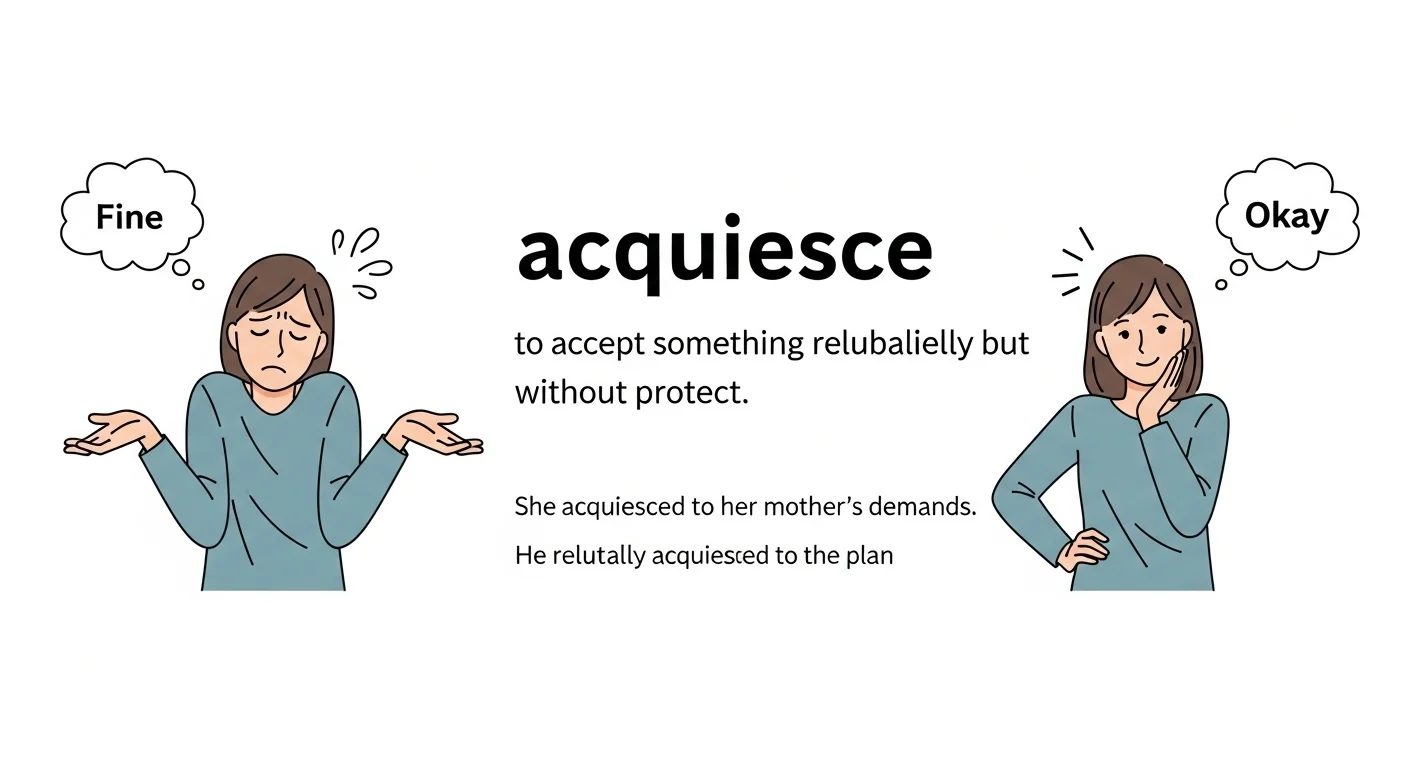
Acquiesce is a verb that means:
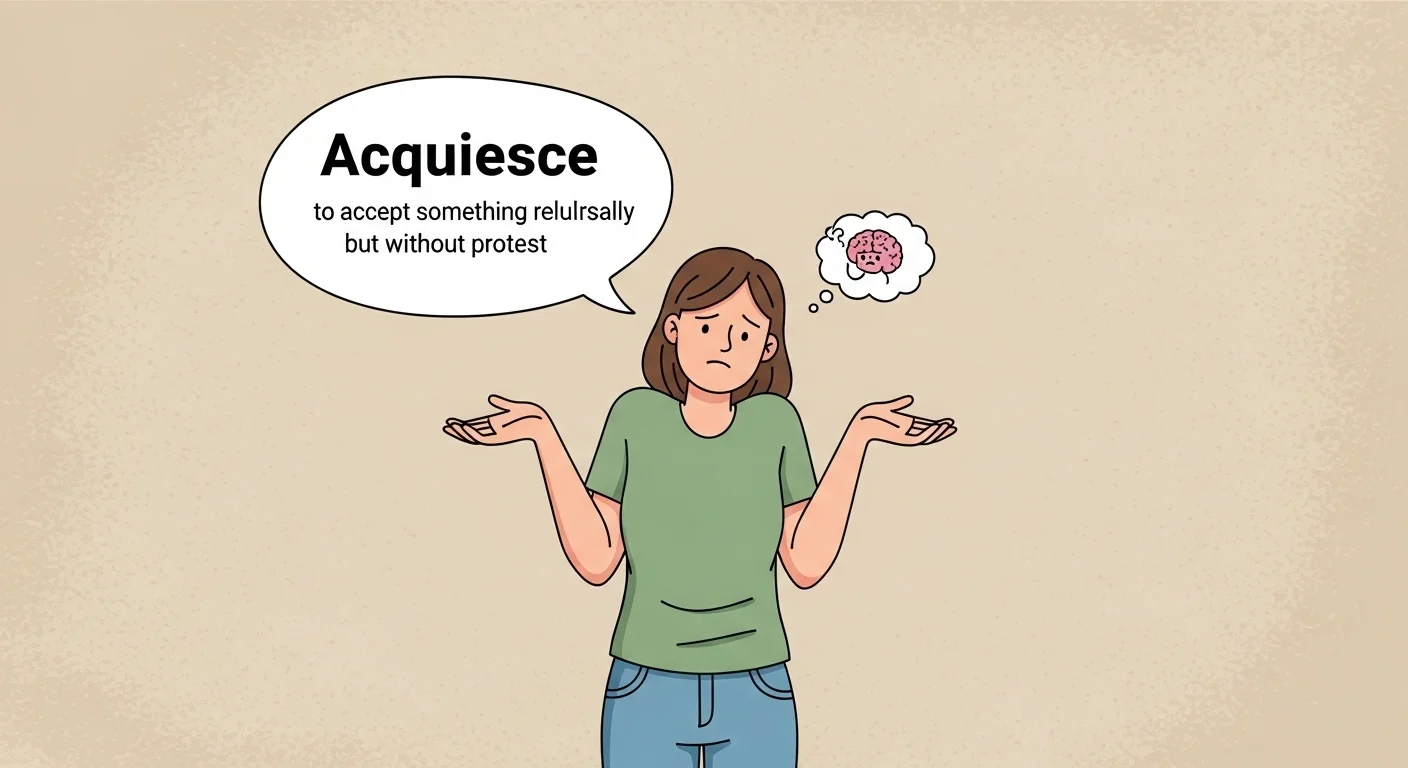
To accept or agree to something reluctantly but without protest.
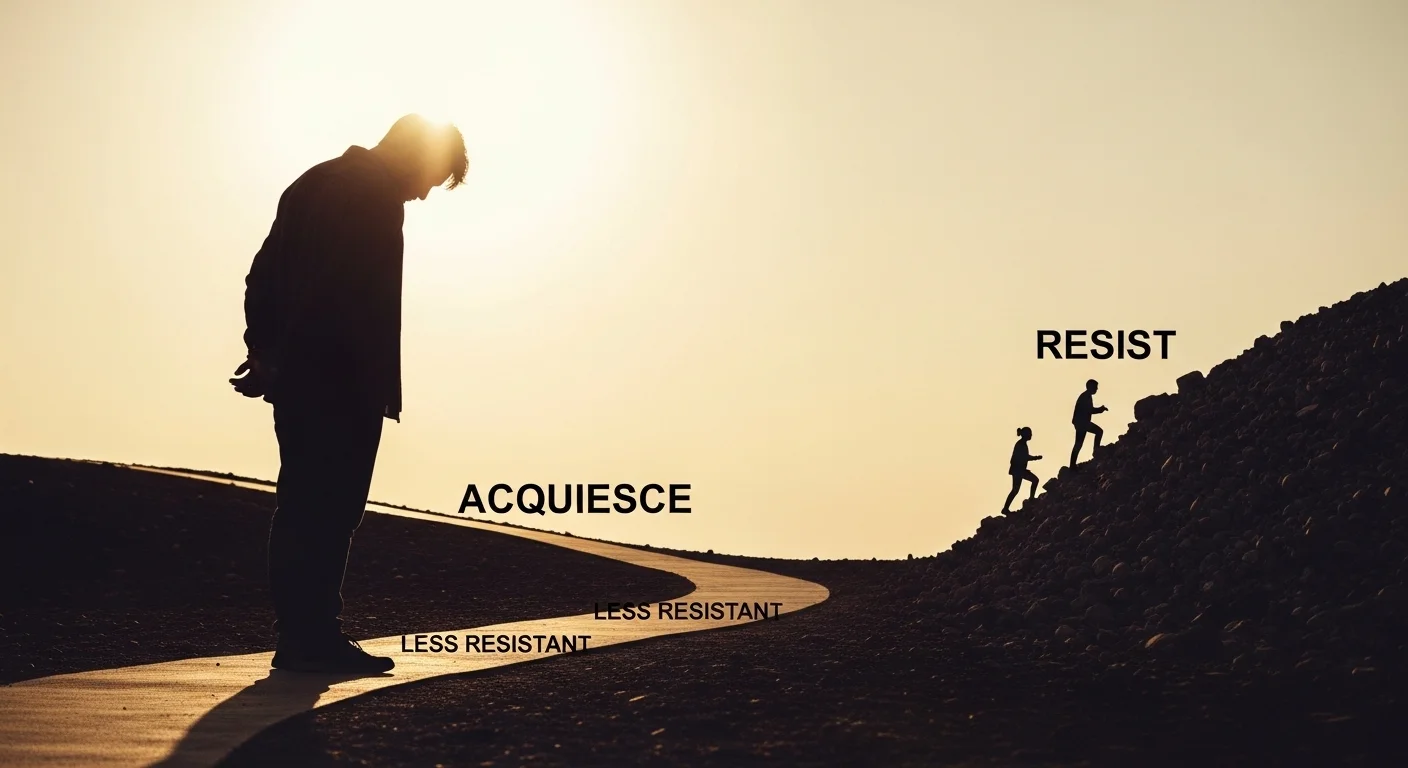
It implies not actively agreeing or celebrating, but rather allowing something to happen without resistance.
Key Points
Reluctant agreement: You’re not enthusiastic, but you go along with it.
Silent compliance: No protest, no objection.
Subtle nuance: Different from outright agreement; it’s more passive.
Example in a Sentence
“Although she didn’t want to attend the meeting, she acquiesced to her manager’s request.”
“He acquiesced to the rules, even though he felt they were unfair.”
Origin of the Word
Derived from Latin “acquiescere”, meaning “to rest, to be quiet, to consent.”
Entered English in the 17th century.
Originally, it conveyed a sense of peaceful acceptance, which still holds today.
How People Use Acquiesce in Modern English
1. Formal Writing
Common in literature, academic writing, and professional communication.
Often used to describe someone accepting authority, rules, or circumstances.
Example:
“The committee members acquiesced to the new policy after a long discussion.”
2. Everyday Conversation
Less common in casual speech, but still used when describing reluctant compliance.
Example:
Friend: “Do you want to go to that restaurant?”
You: “I don’t really, but I’ll acquiesce.”
Here it adds a slightly formal or humorous touch.
3. Legal or Business Context
In contracts or agreements, acquiesce can describe accepting terms silently.
Example:
“By continuing to use the software without objection, the user acquiesces to the updated terms of service.”
Real-Life Examples of Acquiesce
Family Scenario
“Her parents wanted her to study medicine, and she acquiesced, even though her passion was art.”
Workplace Scenario
“He didn’t agree with the project deadline, but he acquiesced to the manager’s decision.”
Legal Scenario
“By not responding to the notice, the tenant acquiesced to the eviction terms.”
Friendship Scenario
“She didn’t like the movie, but she acquiesced to her friends’ choice.”
Common Mistakes & Misunderstandings
Acquiesce ≠ Agree Enthusiastically
You reluctantly accept, rather than enthusiastically agree.
Acquiesce ≠ Passive-Aggressive
It’s about silent compliance, not subtle resistance or sarcasm.
Acquiesce ≠ Obey
Obedience can be active, whereas acquiescing is more passive acceptance.
Related Words & Synonyms
Consent – Giving permission, may be active or passive
Comply – Following rules or orders, often obligatory
Yield – Giving way under pressure
Submit – Accepting authority or control
Assent – Formal approval or agreement
Example using synonyms:
“She reluctantly assented to the proposal.”
“He chose to yield to their demands.”