
What Does “Biometric” Mean?
Biometric refers to the measurement and analysis of unique physical or behavioral characteristics used to identify or verify a person. In simple terms, biometrics are body-based identifiers that prove you are who you say you are.
Simple Definition
Biometric meaning:
A biometric is a biological or physical trait—like your fingerprint, face, eyes, or voice—that can be used to recognize or authenticate your identity.
Common Biometric Traits
Biometrics usually fall into two categories:
Physical biometrics
Fingerprints
Facial recognition
Iris or retina scans
Hand or palm prints
Behavioral biometrics
Voice recognition
Typing patterns
Walking style (gait)
Signature dynamics
Origin of the Term
The word biometric comes from two Greek words:
“bio” meaning life
“metric” meaning measure
So, biometrics literally means measuring life-based characteristics. The concept existed for centuries, but modern biometric technology became popular in the late 20th century and exploded after smartphones introduced fingerprint and face unlock features.
How People Use “Biometric” in Real Life
The term “biometric” isn’t just technical jargon anymore—it’s part of everyday conversation, especially online and in official settings.
Common Places You’ll Hear “Biometric”
Smartphone settings (Face ID, fingerprint unlock)
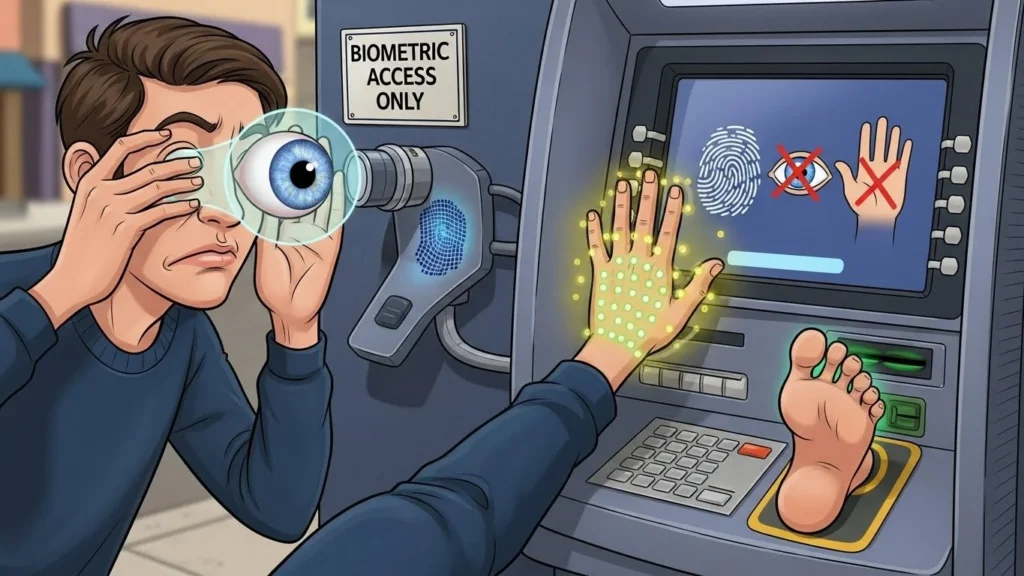
Banks and ATMs
Airports and immigration counters
Office attendance systems
Visa and passport applications
Government ID verification
Online security discussions
Casual Usage Examples
People often use “biometric” casually, like:
“My phone needs biometric verification.”
“They took my biometrics for the visa.”
“Biometric attendance is mandatory now.”
When It Sounds Natural vs Awkward
Appropriate use
Talking about security, identity, or verification
Discussing phones, apps, banks, or travel
Official or semi-formal conversations
Awkward use
Using it as slang in casual jokes
Confusing it with passwords or PINs
Assuming biometrics are always 100% secure
If someone says “Send me your biometric,” that’s usually incorrect—biometrics are collected, not sent like a message.
Real-Life Examples of “Biometric” in Context
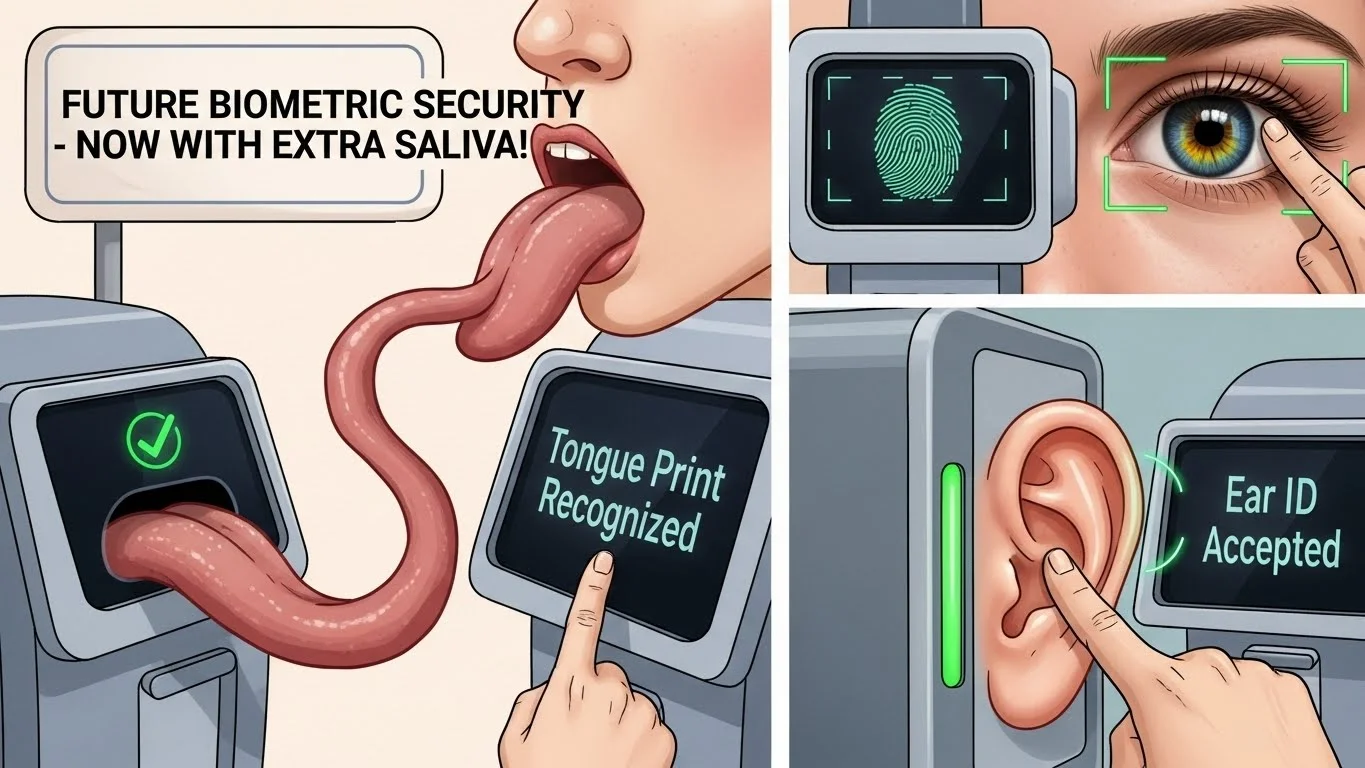
Here are realistic, everyday examples showing how the word “biometric” is actually used, along with simple explanations.
Example 1
“Please complete your biometric verification to unlock the app.”
Meaning: The app wants to scan your fingerprint or face to confirm it’s you.
Example 2
“They rejected my application because my biometric data didn’t match.”
Meaning: The system couldn’t verify the person’s identity using stored biometric information.
Example 3
“My office installed biometric attendance this year.”
Meaning: Employees now clock in using fingerprints or face scans instead of cards.
Example 4
“You can’t access this file without biometric authentication.”
Meaning: A physical identity check is required for extra security.
Example 5
“The airport uses biometric gates now—it’s faster.”
Meaning: Facial recognition replaces manual passport checks.
Biometric Meaning in Technology & Security
In tech and cybersecurity, biometric authentication is considered one of the strongest identity verification methods.
Why Biometrics Are Used
Harder to fake than passwords
Faster than typing PINs
Unique to each individual
Reduces identity fraud
Biometric vs Password
| Feature | Biometric | Password |
|---|---|---|
| Can be forgotten | No | Yes |
| Can be stolen | Difficult | Easy |
| Speed | Fast | Slower |
| Security level | High | Medium |
That’s why many systems now combine biometric + password for extra safety.
Common Mistakes & Misunderstandings
Even though the term is common, people often misunderstand biometric meaning.
Mistake 1: Thinking Biometrics Are the Same as Passwords
Biometrics are who you are, not what you know. You can reset a password, but you can’t reset your fingerprint.
Mistake 2: Assuming Biometrics Are Always Perfect
Biometric systems can fail due to:
Poor lighting
Injuries
Aging
Technical glitches
Mistake 3: Believing Biometric Data Is Stored as Images
Most systems store biometric data as encrypted mathematical patterns, not actual photos.
Mistake 4: Confusing Biometrics with Surveillance
Biometric authentication requires user consent, while surveillance may not.
Is Biometric Data Safe?
This is one of the most searched questions related to biometric meaning in text and online discussions.
How Biometric Data Is Protected
Encrypted storage
Local device storage (e.g., phones)
Secure government databases
Strict data protection laws
Potential Risks
Data breaches
Unauthorized access
Misuse by weak systems
That’s why many countries now regulate how biometric data is collected and stored.
Related Terms & Abbreviations
If you’re learning about biometrics, you’ll likely encounter these related terms:
Authentication – Verifying identity
Verification – Confirming correctness
Face ID – Facial biometric system
Fingerprint scanner – Physical biometric tool
Multi-factor authentication (MFA) – Using biometrics with passwords
KYC (Know Your Customer) – Often involves biometric checks
These terms are often used together, especially in banking and tech articles.
Why Biometrics Matter in 2026
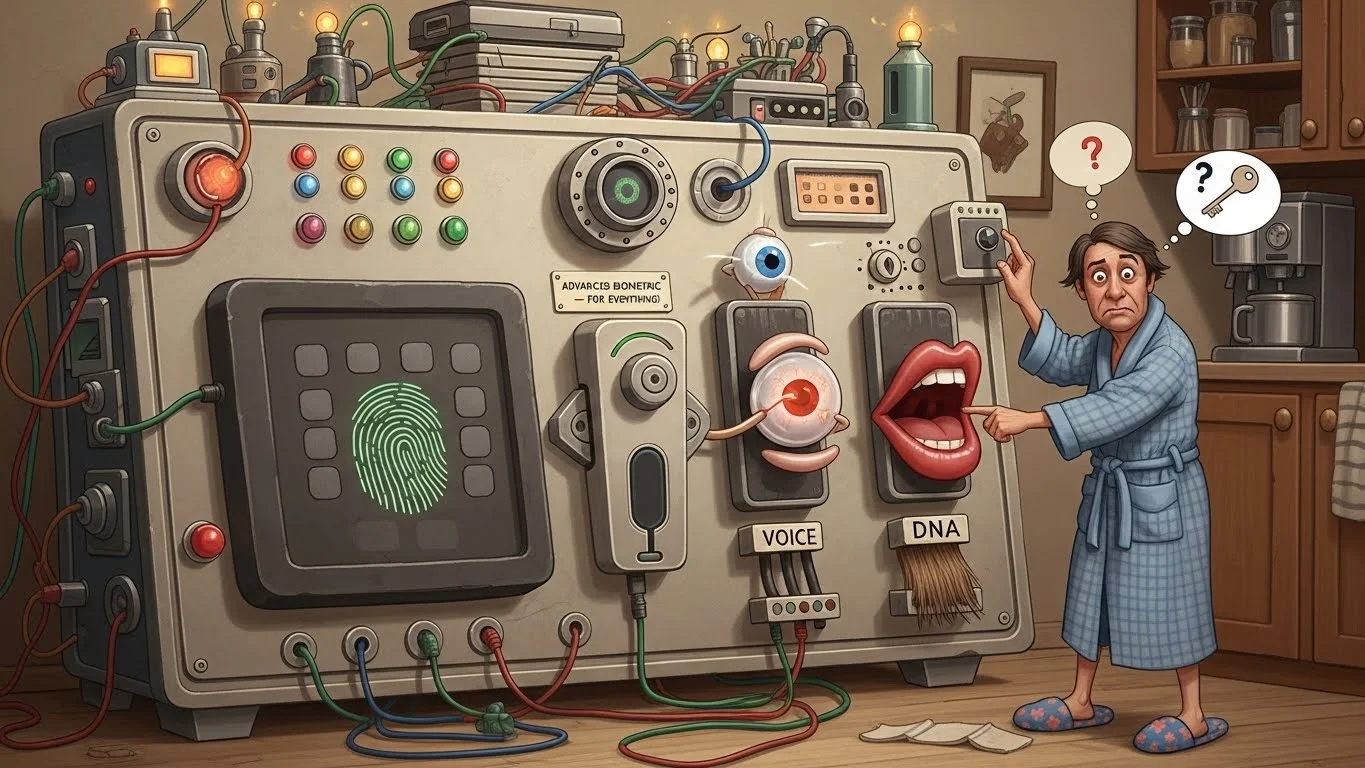
Biometrics are no longer optional—they’re becoming standard. With increasing cyber threats and identity theft, biometric systems offer a balance of convenience and security. From unlocking phones to crossing borders, biometrics reduce friction while increasing trust.
In 2026, biometrics are also being integrated with:
AI-powered recognition
Smart cities
Digital IDs
Online voting systems
Understanding biometric meaning helps you stay informed and protected.