
What Does Rococo Mean?
Rococo is both an adjective and a noun that refers to:
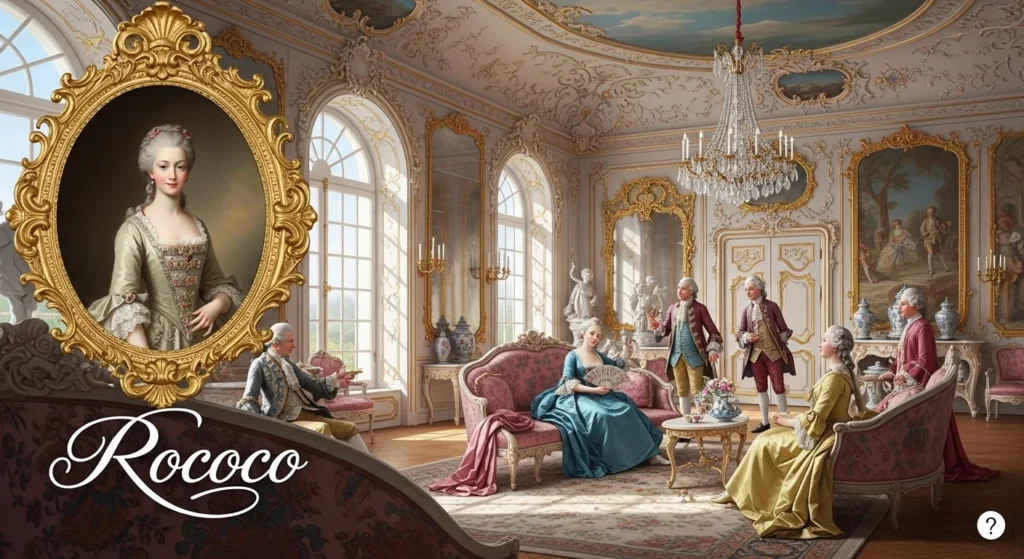
An elaborate, decorative artistic style that emerged in 18th-century France, characterized by ornate details, curves, and playful themes.
Key Points
Art & Architecture Style: Popular in painting, furniture, interior design, and decorative arts.
Focus on Elegance and Ornamentation: Light, graceful, and decorative rather than grand and serious.
Themes: Often playful, romantic, and whimsical.
Example in a Sentence
“The palace ballroom is decorated in a Rococo style, with gilded mirrors and intricate plasterwork.”
“She loves Rococo paintings because of their delicate colors and playful scenes.”
Origin of Rococo
Rococo originated in early 18th-century France, following the Baroque period.
The name “Rococo” comes from the French word “rocaille”, meaning rock or shell, referring to the shell-like ornamentation used in the style.
It spread across Europe, influencing interiors, furniture, paintings, and decorative arts.
Key Characteristics of Rococo
Ornamentation
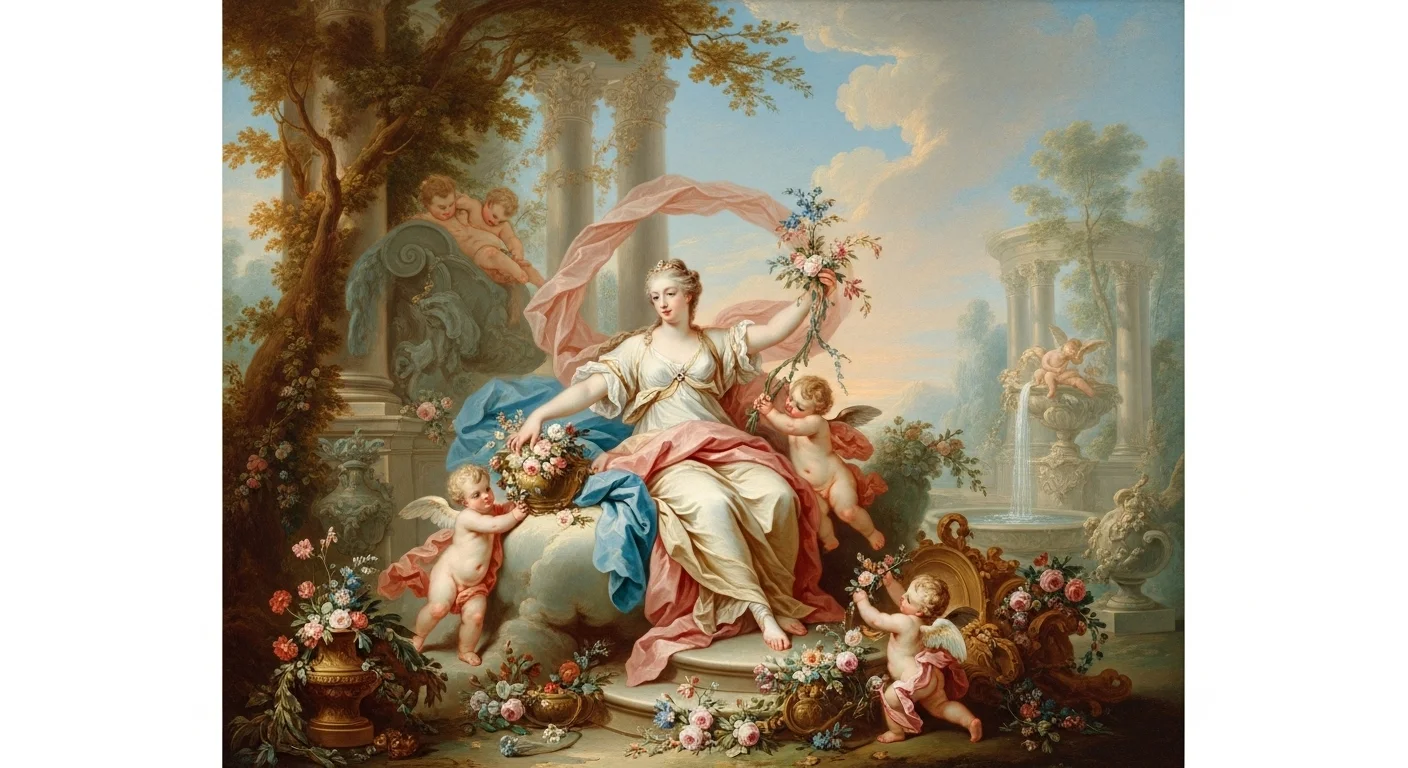
Elaborate decorations with curves, swirls, shells, and floral motifs.
Light Colors
Pastel tones like pink, light blue, cream, and gold accents.
Playful Themes
Romantic, witty, and sometimes frivolous subjects in art.
Asymmetry
Designs are curvy and flowing, avoiding rigid symmetry.
Delicacy
Emphasis on lightness and grace rather than grandeur or seriousness.
How Rococo Was Used in Art and Design
1. Architecture
Rococo architecture is ornate and decorative.
Often found in palaces, churches, and salons.
Example:
Palace of Versailles (some interiors in Rococo style)
Small chapels and ornate townhouses with curved walls and elaborate stucco
2. Painting
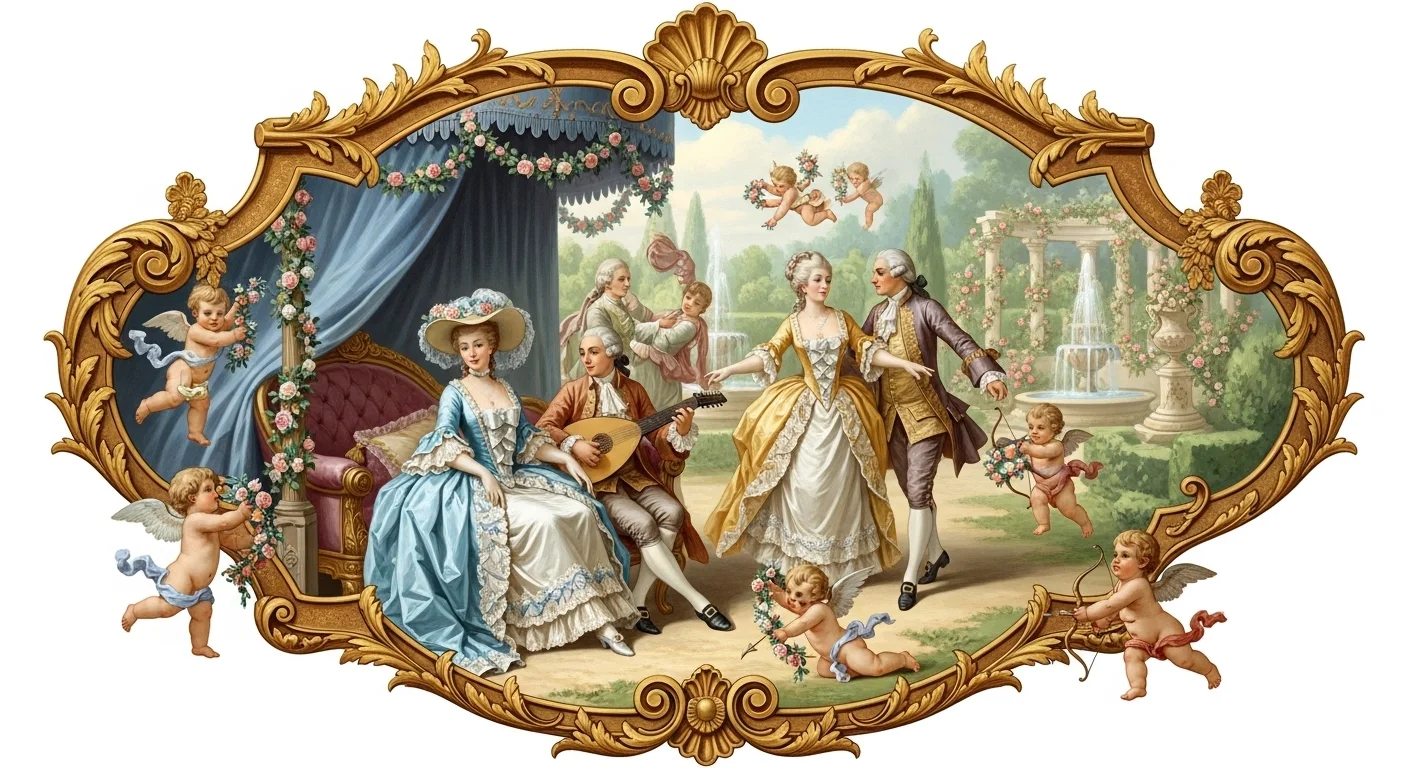
Rococo painters focused on lighthearted, romantic, or pastoral scenes.
Famous artists include Jean-Honoré Fragonard and François Boucher.
Example:
“The painting shows aristocrats dancing in a garden, a typical Rococo scene.”
3. Furniture & Decorative Arts
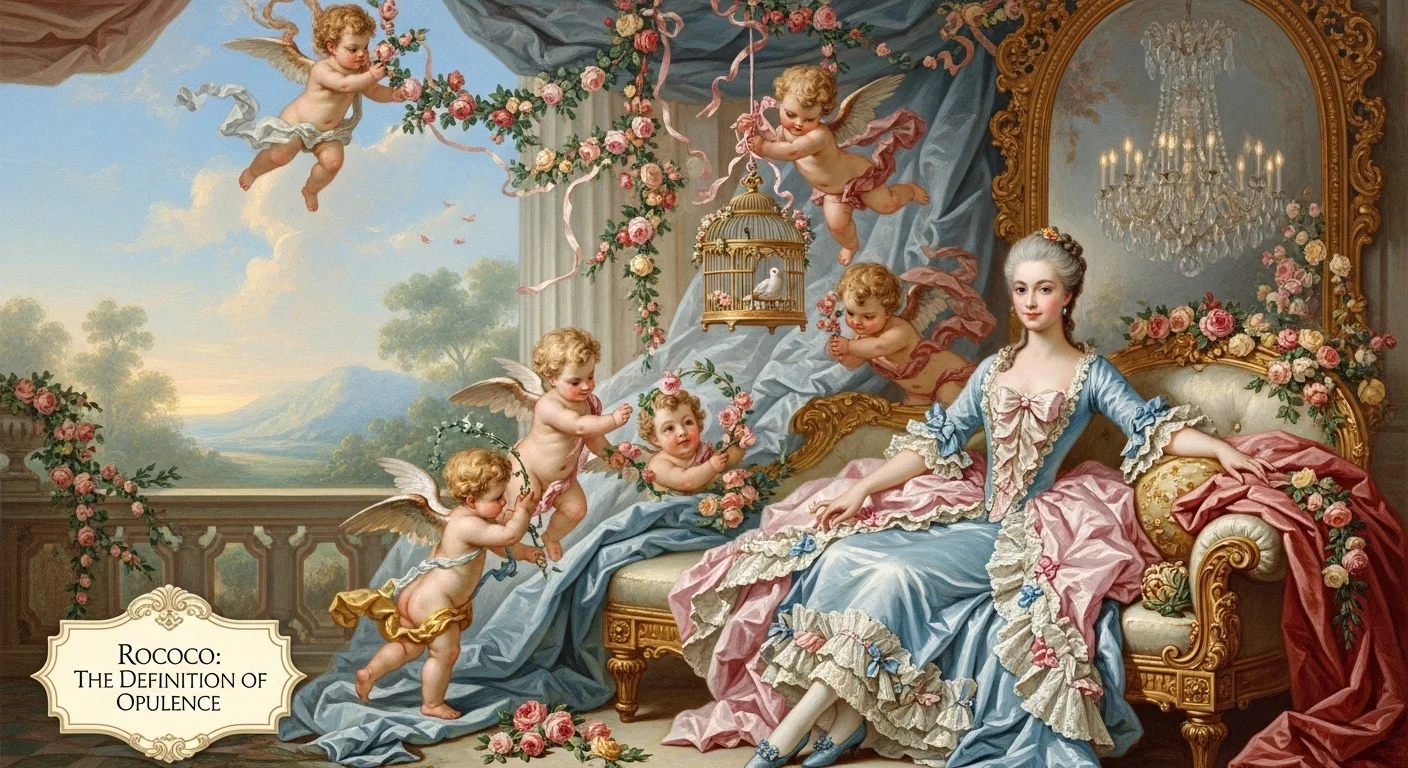
Furniture with delicate carvings, curved legs, and gilded accents.
Porcelain, clocks, mirrors, and chandeliers often featured Rococo ornamentation.
Modern Influence of Rococo
Rococo influenced interior design, fashion, and art beyond the 18th century.
Contemporary designers use Rococo motifs for luxurious, ornate decor.
Rococo revival styles appeared in the 19th and 20th centuries, especially in furniture and decorative arts.
Real-Life Examples of Rococo
Palace Interiors
“The ceiling is decorated with gilded moldings and frescoes in Rococo style.”
Paintings
“Fragonard’s The Swing is a classic example of Rococo art with playful elegance.”
Furniture
“The antique chair features Rococo curves and intricate carvings.”
Modern Use
“The boutique hotel incorporates Rococo-inspired pastel walls and ornate mirrors.”
Common Mistakes & Misunderstandings
Rococo ≠ Baroque
Rococo is lighter, playful, and decorative; Baroque is grand, dramatic, and serious.
Rococo ≠ Minimalist
Minimalism avoids decoration; Rococo embraces elaborate ornamentation.
Rococo ≠ Gothic
Gothic is dark and pointed; Rococo is light, curvy, and pastel-focused.
Related Terms & Concepts
Baroque: Preceding style, dramatic and grand.
Pastel Colors: Soft, light colors often used in Rococo.
Fragonard: Famous Rococo painter.
Gilding: Gold decoration used in Rococo furniture and interiors.
Chinoiserie: Asian-inspired decorative motif sometimes mixed with Rococo.