

What Does “Emotional Incest” Mean in Chat or Text?
Definition:
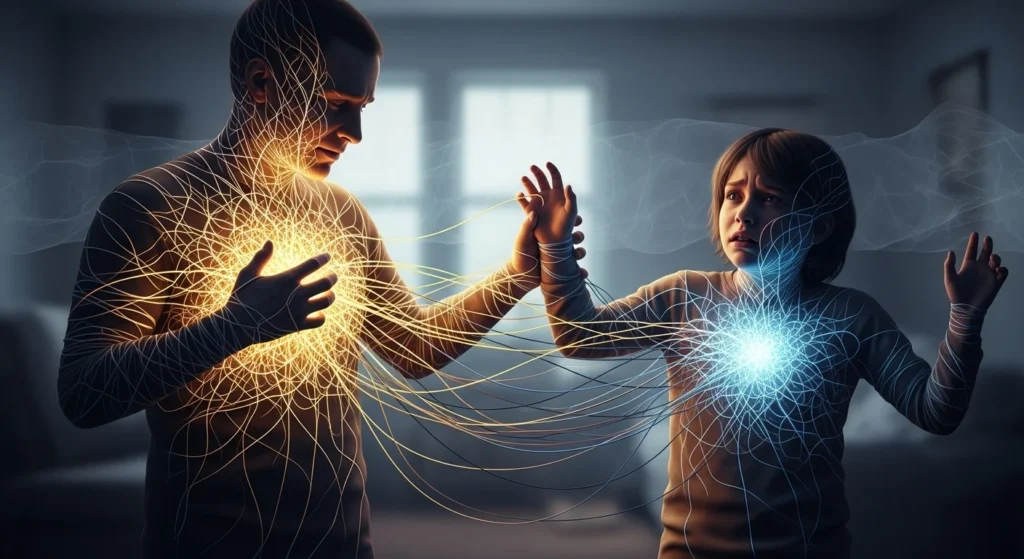
Emotional incest (also called covert incest) refers to a situation where a parent or caregiver relies on a child for emotional support in ways that are inappropriate for the child’s role.
The child may be treated like:
A partner
A therapist
A best friend responsible for adult emotions
Instead of receiving support, the child becomes the emotional caretaker.
Simple explanation
It means:
The emotional boundaries between parent and child are blurred
The child feels responsible for the parent’s feelings
The relationship feels emotionally heavy or adult-like
Importantly:
No physical sexual activity is involved
The issue is emotional role reversal, not physical abuse
Why it’s called “incest”
The term sounds extreme because:
The emotional closeness becomes inappropriately intimate
The child is placed in a partner-like emotional position
The relationship crosses normal parent-child boundaries
Many professionals prefer the term covert emotional enmeshment, but emotional incest remains widely used in psychology discussions and online conversations.
How People Use “Emotional Incest” in Real Conversations
You might see emotional incest meaning slang discussed in:
Mental health TikTok or Instagram posts
Therapy forums and Reddit discussions
Self-help books and podcasts
Conversations about childhood trauma
It’s usually used seriously, not as a joke.
1. Therapy or self-reflection conversations
Example:
“My therapist said what I experienced was emotional incest.”
This often means the person realized:
They were their parent’s emotional support system
They felt responsible for adult problems as a child
2. Social media awareness posts
Example:
“Not all trauma is obvious. Emotional incest can look like being your parent’s best friend instead of their child.”
Here the term is used educationally.
3. Discussions about boundaries
Example:
“He grew up in emotional incest, so he struggles with guilt and people-pleasing.”
This means:
He learned to prioritize others’ emotions over his own.
When it’s appropriate vs inappropriate to use
Appropriate:
Educational or psychological discussions
Therapy-related conversations
Explaining unhealthy family dynamics
Inappropriate:
Joking about close parent-child relationships
Labeling families casually without understanding
Using it as an insult online
Because it’s a serious term, misuse can feel hurtful or misleading.

Real-Life Examples of Emotional Incest
These examples are simplified to help you understand the pattern.
Example 1: The Parent Confidant
A mother constantly tells her 10-year-old child about:
Marriage problems
Financial stress
Personal loneliness
She says:
“You’re the only one I can talk to.”
Why this fits:
The child becomes the parent’s emotional support instead of the other way around.
Example 2: The Substitute Partner
A father tells his teenage daughter:
“You’re the only woman who understands me.”
“You’re more mature than your mother.”
He expects:
Daily emotional check-ins
Comfort when he’s upset
Why this fits:
The child is placed in a partner-like emotional role.
Example 3: Guilt-Based Emotional Dependence
A parent says:
“If you move away, I’ll be all alone.”
“I don’t know what I’d do without you.”
The child feels:
Responsible for the parent’s happiness
Guilty about independence
Why this fits:
The parent’s emotional needs control the child’s life choices.
Example 4: Oversharing Adult Topics
A parent regularly discusses:
Dating life
Sexual relationships
Adult emotional struggles
with their child.
Why this fits:
The child is exposed to adult emotional intimacy they shouldn’t carry.
Important note
A loving, close relationship is not emotional incest.
Healthy closeness includes:
Support from parent to child
Clear emotional boundaries
Freedom for the child to be independent
The issue arises when the emotional responsibility flows the wrong direction.
Common Signs of Emotional Incest
Not every sign alone proves the pattern, but together they can indicate it.
Signs in childhood
Feeling like the “adult” in the relationship
Being told you’re the parent’s “best friend” or “only support”
Hearing adult problems too early
Feeling guilty for wanting independence
Being emotionally responsible for keeping the parent happy
Signs in adulthood
Adults who experienced emotional incest may:
Struggle with boundaries
Feel responsible for others’ feelings
Have difficulty saying no
Fear disappointing people
Feel uncomfortable with normal emotional closeness in relationships
They might also:
Over-function emotionally
Become caretakers in friendships or romance
Common Mistakes & Misunderstandings
1. Thinking it means physical incest
This is the biggest misunderstanding.
Emotional incest does NOT involve sexual contact.
It’s about:
Emotional roles
Boundary problems
Psychological dynamics
2. Assuming all close families are unhealthy
Close relationships are normal.
It becomes unhealthy only when:
The child carries adult emotional burdens
The parent depends emotionally on the child
The child’s independence is discouraged
3. Using the term too casually online
Sometimes people say:
“My mom texts me every day — emotional incest lol.”
That’s not accurate.
Frequent contact alone doesn’t equal emotional incest.
4. Confusing it with normal emotional support
Parents can:
Share feelings appropriately
Seek comfort from family sometimes
Have strong bonds with children
The difference is who carries the emotional responsibility.
Healthy:
Parent supports child
Unhealthy:
Child emotionally supports parent consistently
Related Psychological Terms
If you’re researching emotional incest meaning, these related concepts often appear:
1. Enmeshment
When family boundaries are blurred and individuality is discouraged.
2. Parentification
When a child takes on adult responsibilities, emotionally or physically.
Emotional parentification is closely linked to emotional incest.
3. Codependency
A relationship pattern where one person feels responsible for another’s emotions or well-being.
4. Attachment issues
Unhealthy childhood emotional roles can affect adult attachment styles.
5. Boundary issues
Difficulty separating one’s own emotions from others’.